
- 09763635252 Call Us Now
- appointment@kaizengastrocare.com Email Us
- Home
- About Us
- GI Services
- GI Surgeries
- GI Cancer
- GI Motility
- Colonoscopy in Pune
- Endoscopy in Pune
- Sigmoidoscopy Test in Pune
- ERCP Test in Pune
- Fibroscan Test in Pune
- Biofeedback therapy for constipation in Pune
- Anorectal Manometry in Pune
- Oesophageal manometry Test in Pune
- Colon Transit Study in Pune
- pH Monitoring
- H Pylori Breath Test
- Hydrogen Breath Test
- Stoma Care
- Peg Tube Insertion
- Diet for Gut
- Patient Care
- CSR
- Contact Us
Blood in Stool Treatment in Pune
Blood in Stool Treatment:
Seeing blood in stool can make anyone worried. Sometimes, the reason may be simple, such as piles, an anal fissure, or constipation. But blood in stool can also happen due to other bowel problems, including inflammatory bowel disease, diverticular disease, colon polyps, or colorectal conditions.
The blood may be bright red, dark red, or black. You may see it on toilet paper, on the stool, or in the toilet bowl. Some people may have pain while passing stool, while others may have blood in stool without pain. Repeated or unexplained bleeding should not be ignored. Finding the actual cause is important before starting treatment. If you are looking for Blood in Stool Treatment in Pune, getting the bleeding properly evaluated is an important first step.
At Kaizen Gastro Care, Pune, blood in stool and rectal bleeding are evaluated by a team of gastroenterology and colorectal specialists. Dr. Samrat Jankar, Director and Head of the Department of GI Surgery at Kaizen Gastro Care, is a Surgical Gastroenterologist and Colorectal Surgeon with 17+ years of experience. He has expertise in colorectal and anorectal conditions, including piles, anal fissure, fistula and other causes of rectal bleeding.
Dr. Samrat has also received a Gold Medal Fellowship in Colorectal Surgery from ACRSI and won the First Prize at FISTULACON 2021 for a video presentation on the LASER LIFT technique for complex fistula. He has participated as faculty and speaker at national and international surgical forums. More recently, he was invited as an International Faculty Presenter at the 33rd ISUCRS Congress in Kuala Lumpur, Malaysia, in 2026, where he presented on MRI-guided fistula surgery.
His academic background includes MBBS, MS in General Surgery and DNB in Surgical Gastroenterology. His experience in colorectal and GI surgery helps in evaluating patients when blood in stool may be related to an anorectal or colorectal condition.
Dr. Vikrant Kale, Senior Gastroenterologist, Hepatologist and Interventional Endoscopist at Kaizen Gastro Care, provides medical gastroenterology and advanced endoscopic evaluation when required. With 18+ years of experience, specialist gastroenterology training from the Royal College of Physicians of Ireland, and fellowships in Upper & Lower GI Endoscopy and Inflammatory Bowel Disease from Oxford University, UK, he provides expertise in conditions such as IBD and other digestive disorders that may cause rectal bleeding.
Together, the specialist team at Kaizen Gastro Care focuses on identifying the cause of bleeding and providing treatment based on the patient’s condition. Whether the bleeding is related to piles, fissure, constipation, IBD, polyps, diverticular disease, or another colorectal problem, proper evaluation is the first step towards appropriate treatment.
What Does Blood in Stool Mean?
Blood in stool means there is bleeding somewhere in your digestive tract. This tract includes the food pipe, stomach, small intestine, colon, rectum and anus.
Sometimes the blood is clearly visible on the toilet paper, in the stool or in the toilet bowl. At other times, the blood is hidden. It can be found only through a stool test or blood test.
Blood in stool is not a disease. It is a warning sign. The real task is to find where the blood is coming from and why.
What Are the Common Causes of Blood in Stool?

Piles (Hemorrhoids)

Anal Fissure

Anal Fistula

Chronic Constipation

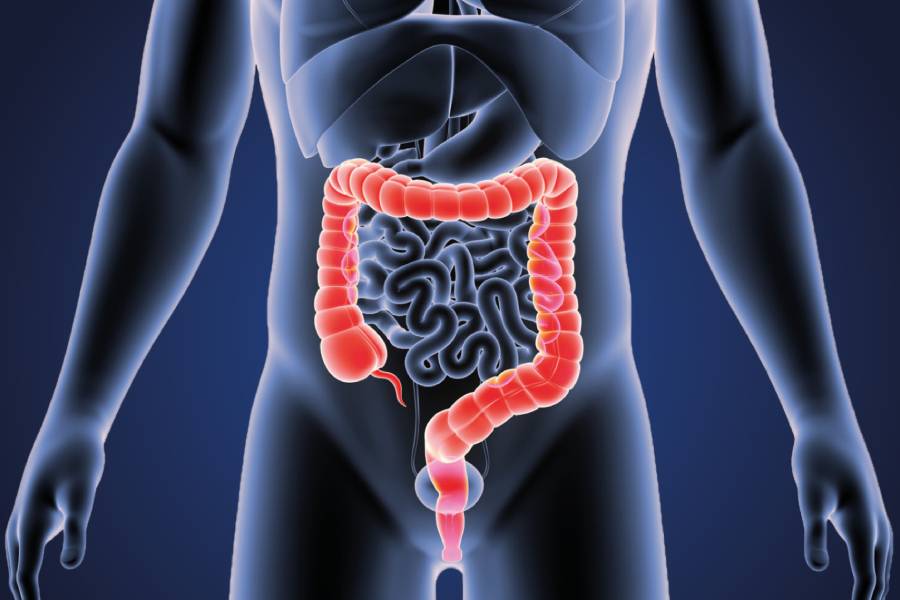
Inflammatory Bowel Disease (IBD)
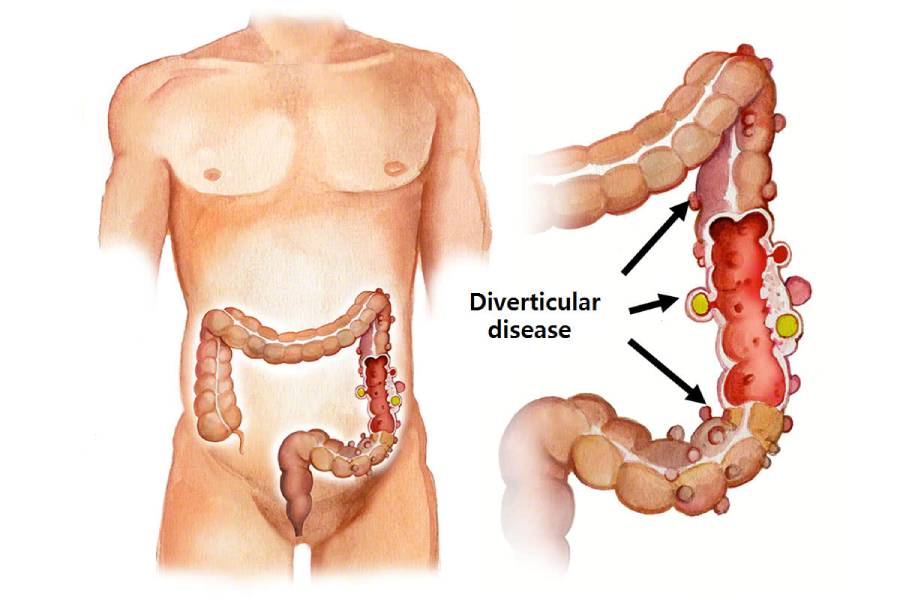
Diverticular Disease
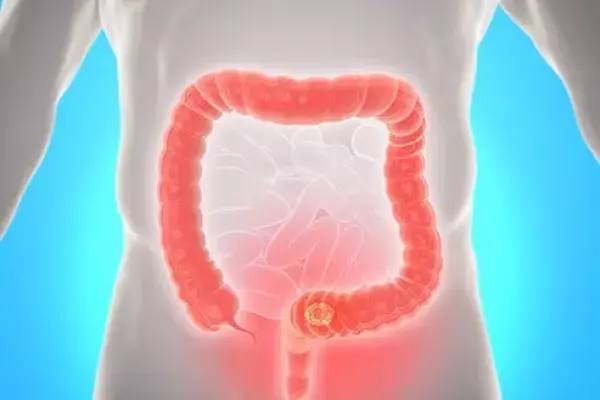
Colorectal Cancer
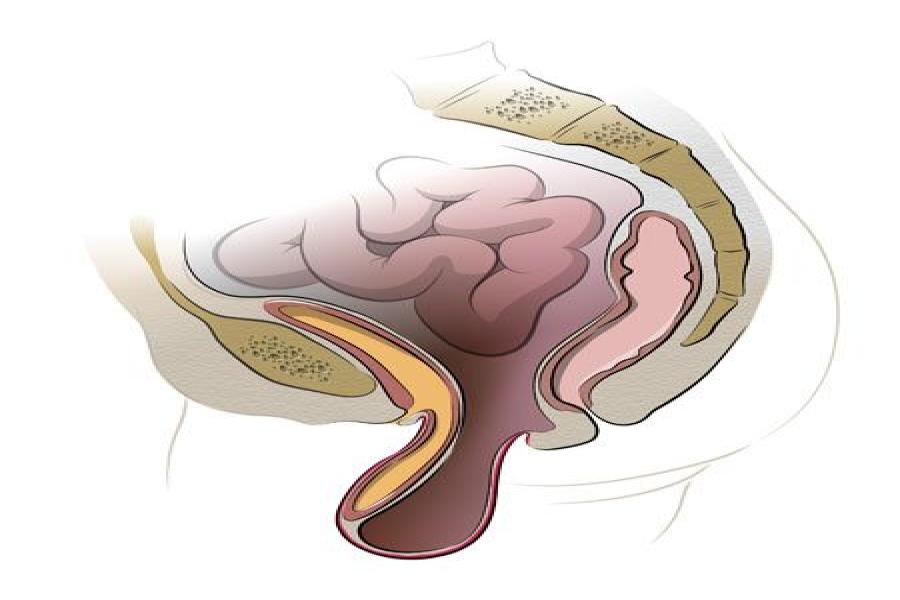
Rectal Prolapse
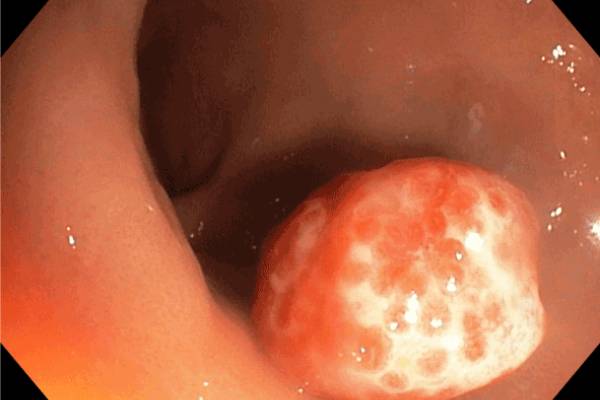
Rectal Ulcer
What Does the Colour of Blood in Stool Tell You?
The colour of blood gives a useful clue about where it is coming from. It is not a final diagnosis, but it helps your doctor.
- Bright Red Blood in Stool: Bright red blood in stool means fresh blood. It usually comes from the anus, rectum or lower colon. Piles and fissures are the most common causes. It can also come from polyps or tumours, so it must be checked.
- Dark Red or Maroon Stool: Dark red or maroon stool suggests bleeding higher up in the colon. Diverticular disease, IBD, polyps and infections can cause it.
- Black or Tarry Stool: Black, sticky and foul-smelling stool is called melena. It usually means bleeding from the stomach or food pipe, such as an ulcer. This needs urgent medical care. Note that iron tablets and some foods can also darken stool. Still, if you are unsure, get checked.
What Are the Symptoms That Can Occur With Blood in Stool?
Blood in stool symptoms depend on the cause. You may notice:
- Pain or burning during bowel movement
- Itching, swelling or a lump near the anus
- Blood in stool with constipation or loose motions
- Mucus or pus in stool
- Belly pain, cramps or bloating
- A feeling of incomplete emptying
- Unexplained weight loss
- Tiredness, weakness or pale skin
- Dizziness or breathlessness from iron deficiency anaemia
Some people have no pain at all. Blood in stool without pain is common with piles, polyps and diverticular disease. Painless rectal bleeding should never be taken lightly.
When Is Blood in Stool a Serious Concern?
Please see a doctor at once if you notice:
- Heavy bleeding or blood clots
- Bleeding that keeps repeating
- Black or tarry stool
- Fainting, dizziness or a fast heartbeat
- Severe belly pain
- Unexplained weight loss
- A change in bowel habits lasting more than two weeks
- Bleeding after 45 years of age
- A family history of colon cancer or polyps
- Known IBD with a sudden flare
Do not self-medicate with creams or pills for weeks. This can delay the right diagnosis.
How Is Blood in Stool Diagnosed?
Correct blood in stool diagnosis is the key to good treatment. At Kaizen Gastro Care, we follow a step-by-step approach.
- Detailed history and examination. Your doctor asks about the colour of blood, pain, bowel habits, diet, medicines and family history. A gentle anal and rectal examination follows.
- Blood tests. A blood test for rectal bleeding checks haemoglobin, iron levels and signs of inflammation. This tells us if you have iron deficiency anaemia.
- Stool tests. These check for infection, hidden blood and inflammation.
- Proctoscopy. A short scope checks the anal canal and lower rectum. It is quick and helps confirm piles or fissures.
- Colonoscopy. Colonoscopy for blood in stool is the gold standard. A thin camera is passed through the entire colon. It shows polyps, ulcers, tumours and diverticula. Polyps can be removed and biopsies can be taken in the same sitting. Colonoscopy for rectal bleeding is advised especially after 45 years or when the cause is unclear.
- Upper GI endoscopy or scans. If black stool or upper gut bleeding is suspected, an upper endoscopy is done. CT scan or other imaging is used when needed.
This complete lower GI evaluation helps us find the exact cause and plan the right treatment.
Can Blood in Stool Be Treated Without Surgery?
Yes. Many patients recover without surgery, especially when the problem is found early. Non-surgical options include:
- A high-fibre diet and plenty of water
- Stool softeners and fibre supplements
- Ointments and creams for fissures and piles
- Medicines for IBD, infection and inflammation
- Rubber band ligation for early piles
- Endoscopic removal of polyps
- Endoscopic control of bleeding
Our dietitian, Dt. Bhushan Khedkar, guides patients on gut-friendly diets. This helps in constipation, IBD and piles.
When Is Surgery Needed for Blood in Stool?
Surgery is needed when medicines and simple procedures are not enough. It may be advised for:
- Large or advanced piles that keep bleeding
- Chronic anal fissure that does not heal
- Complex or recurrent anal fistula
- Rectal prolapse
- Repeated diverticular bleeding
- Large polyps that cannot be removed by endoscopy
- Colorectal cancer
Dr. Samrat Jankar is an expert in advanced laparoscopic and colorectal surgery. Where possible, he uses minimally invasive methods. These usually mean smaller cuts, less pain and faster recovery.
Why Choose Kaizen Gastro Care for Blood in Stool Treatment in Pune?
Seeing blood in your stool can be uncomfortable and worrying. The first question is often, “Is it piles, or is there another reason?” At Kaizen Gastro Care, the focus is on finding the cause of bleeding and giving treatment based on your condition.
Founded in 2022 by Dr. Vikrant Kale and Dr. Samrat Jankar, Kaizen Gastro Care brings gastroenterology, endoscopy and colorectal surgical care together under one roof.
Why do patients choose Kaizen Gastro Care?
- We look beyond piles: Blood in stool can occur due to piles, fissure, constipation, IBD, diverticular disease, polyps and other colorectal conditions. We focus on identifying the actual cause rather than assuming it is piles.
- Gastroenterologist + Colorectal Surgeon: Depending on your symptoms, you can receive evaluation from a gastroenterology specialist and colorectal surgeon. This helps when rectal bleeding needs both medical and surgical expertise.
- Experienced colorectal surgical care: Samrat Jankar, Director and Head of GI Surgery at Kaizen Gastro Care, has 17+ years of experience in GI and colorectal surgery. He treats conditions such as piles, anal fissure, fistula and other anorectal problems that can cause bleeding.
- Tests only when needed: Your doctor may recommend blood tests, stool tests, colonoscopy or other investigations based on your symptoms and medical history. The aim is to understand the source of bleeding and avoid unnecessary procedures.
- Treatment is not always surgery: Many causes of blood in stool can be managed with medicines, diet and bowel habit changes. If a procedure or surgery is required, the treatment plan is explained clearly beforehand.
- Care for recurring bleeding: If blood keeps appearing during bowel movements, comes with constipation, or is associated with changes in bowel habits, abdominal symptoms or weakness, a detailed evaluation can help find the underlying problem.
- Advanced GI and colorectal care: From endoscopic evaluation to laparoscopic and colorectal surgical treatment, patients can access a range of treatment options at one centre.
- A team that explains your condition: We believe patients should understand what may be causing the bleeding, which tests are needed and what treatment options are available.
- Conveniently located in Wakad: Kaizen Gastro Care is easily accessible for patients from Wakad, Pimpri-Chinchwad, Hinjewadi, Baner, Aundh and nearby areas of Pune.
Most importantly, you do not have to live with repeated rectal bleeding or keep guessing about its cause. If you are experiencing blood while passing stool, bright red blood in stool or unexplained rectal bleeding, a timely consultation can help you understand the cause and choose the appropriate treatment.
Meet Our Gastroenterology & Colorectal Surgery Specialists:

Dr. Samrat Jankar – Surgical Gastroenterologist & Colorectal Surgeon
Dr. Samrat Jankar is the Director and Head of the GI Surgery Department at Kaizen Gastro Care, Pune. He has 17 years of experience in advanced laparoscopic, hepatobiliary and colorectal surgery. He has performed 3,000+ laparoscopic surgeries and 5,000+ fistula surgeries.
He is widely recognised for developing the PILTEC technique. This is a specialised method for treating complex and recurrent fistula with high success rates. He also treats piles, fissures, complex hernias, rectal prolapse and GI cancers.
Awards and recognition:
- Best Doctor in Pune (2025): Awarded by Outlook Magazine’s healthcare survey for clinical dedication and expert surgical care
- Gold Medal Fellowship: Conferred by the Association of Colon & Rectal Surgeons of India (ACRSI) for topping his advanced colorectal surgery fellowship
- First Prize at FISTULACON (2021): For the best video presentation on his LASER LIFT procedure for complex and recurring fistula-in-ano
- Best Video Award (2019): AMASICON 2019, Association of Minimal Access Surgeons of India
- Second Best Video Presentation (2018): ACRISICON 2018, for single-incision laparoscopic total proctocolectomy in Familial Adenomatous Polyposis (FAP)
- Innovative Award Paper (2019): ACRISICON 2019
- Young Scholar Award (2018): AMASICON 2018, for research on laparoscopic living donor hepatectomy
- Fellowship in Minimal Access Surgery (FMAS): Awarded by AMASI in November 2019

Dr. Vikrant Kale – Gastroenterologist, Hepatologist & Interventional Endoscopist
Dr. Vikrant Kale is the Director of Kaizen Gastro Care and heads Medical Gastroenterology. He has 18+ years of experience in liver diseases, IBD and advanced GI care. He has performed 8,000+ gastroscopies, 5,000+ colonoscopies and 3,000+ ERCPs.
He completed MBBS in 2003 and MRCPI from the Royal College of Physicians of Ireland in 2009. He also holds Oxford University (UK) fellowships in Upper & Lower GI Endoscopy and Inflammatory Bowel Disease (2018). He is also affiliated with Ruby Hall Clinic, Symbiosis University Hospital and Maxcare Hospital.
Book Your Consultation for Blood in Stool:
Please do not wait if you see blood while passing stool. Early care is simpler, safer and more affordable. Book your consultation with a gastroenterologist for blood in stool at Kaizen Gastro Care today.
- Call: 097636 35252
- Email: kaizengastrocare@gmail.com
- Timings: Mon–Sat, 8 AM–3 PM and 4 PM–9 PM
- Address: Kaizen Gastro Care, Shop no. 208/209, Oriana Crest Building, Datta Mandir Rd, Wakad, Pune, Maharashtra 411057
Frequently Asked Questions About Blood in Stool:
The most common causes are piles, anal fissure and constipation. Blood can also come from polyps, colitis, infection, diverticular disease or colon cancer. You cannot know the exact cause just by looking at the blood. A proper check-up and tests will confirm it.
No. Piles are a common cause, but not the only one. Polyps, inflammatory bowel disease and colon cancer can look the same. Please do not assume it is piles without seeing a doctor.
Bright red blood in stool is often due to piles or a small anal tear, which are treatable. But it can also come from polyps or growths in the rectum. If the bleeding repeats or lasts many days, get it checked soon.
Piles, colon polyps, diverticular disease and colitis can cause bleeding without pain. Painless rectal bleeding may look harmless, but it should not be ignored. It needs proper tests to find the exact cause.
Yes. Hard stool and straining can cause piles or an anal fissure, and both can bleed. You may see blood on the toilet paper or on the stool. Treating constipation early helps stop the bleeding. If bleeding continues, please consult a doctor.
See a doctor if the bleeding repeats or continues for more than a few days. Go at once if the bleeding is heavy or the stool is black. Also seek help if you feel dizzy, weak or have severe belly pain. Do not wait if you are above 45 years of age.
Not always. Most cases are caused by piles, fissures or other non-cancerous problems. But colon cancer must be ruled out, especially after 45 years of age. Weight loss, change in bowel habits or a family history of colon cancer also need early checking.
Often yes, especially if the bleeding is repeated or the cause is unclear. A colonoscopy checks the entire colon and rectum with a thin camera. Polyps can be removed and biopsy can be taken in the same sitting. It is usually advised for people above 45 years.
Treatment depends on the cause. It may include diet changes, medicines, creams, endoscopic treatment or minor procedures. Surgery is advised only when needed, such as for advanced piles, chronic fissure, fistula or cancer. Your doctor will explain the best option after diagnosis.
Minor bleeding from a small fissure may settle by itself. But the real cause often remains and the bleeding can return. Even one episode of blood in stool should be checked by a specialist. Early diagnosis makes treatment simpler and safer.
Kaizen Experts Videos:
WhatsApp us