
- 21/02/2026
- Dr Vikrant Kale
- 0 Comments
- Digestive Disorder
When Acidity Becomes Dangerous? Complications of Long-Term Acid Reflux
Acidity and heartburn are very common digestive problems. Many people experience occasional burning in the chest after eating spicy food, heavy meals, or late-night snacks. However, when acidity occurs frequently or becomes chronic, it may indicate Gastroesophageal Reflux Disease (GERD), which can lead to serious health complications if left untreated.
Understanding what is acid reflux, its causes, symptoms, and long-term risks can help you take timely action and prevent damage to the digestive system.
What Is Acid Reflux?
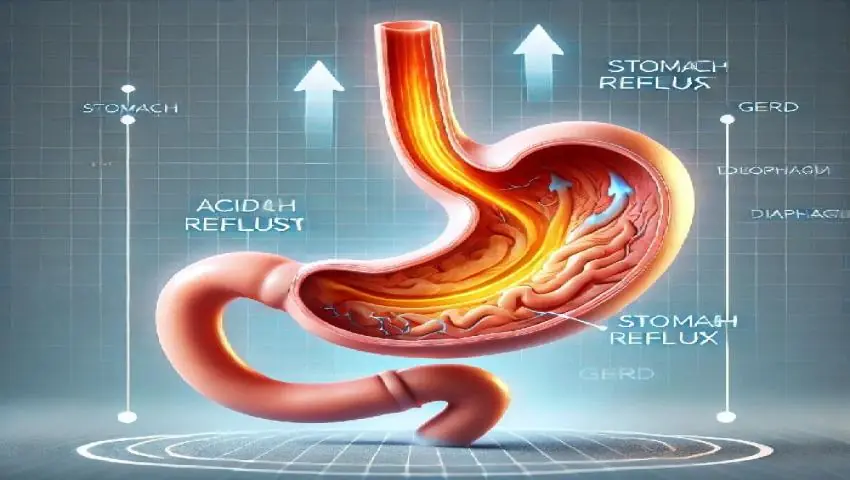
Your stomach contents are supposed to travel only one way: down. When acid from inside your stomach flows backward—meaning, up—into your esophagus and throat, it’s called acid reflux.
What are the symptoms of acid reflux
Here are the most common 6 symptoms associated with acid reflux
1. Heartburn (Chest Pain)
This is the most recognizable symptom. It is a burning sensation in the middle of your chest, often rising from the stomach toward the throat. It typically feels worse:
- After eating a large or fatty meal.
- When lying down or bending over.
- During the night.
2. Regurgitation (Backwash)
You may experience a sour or bitter-tasting acid backing up into your throat or mouth. This backwash can sometimes include small particles of food, making it feel like you are about to vomit without actually doing so.
3. Dysphagia (Difficulty Swallowing)
Chronic acid exposure can cause inflammation or scar tissue to build up, narrowing the esophagus. This can make it feel like food is “stuck” in your chest or throat, a symptom that should be evaluated by an Acidity Specialist in Pune to rule out complications.
4. Non-Cardiac Chest Pain
In some cases, the pain from acid reflux is so sharp that it mimics a heart attack. While any severe chest pain should be treated as a medical emergency, acid-related pain is often localized behind the breastbone and doesn’t usually spread to the arms or neck like cardiac pain.
5. Respiratory and Throat Issues
If acid reaches the throat or is accidentally inhaled into the lungs, it can cause:
- Chronic Cough: A persistent dry cough that doesn’t go away.
- Sore Throat: A constant “scratchy” feeling or hoarseness.
- Asthma-like Symptoms: Wheezing or shortness of breath.
- Lump in the Throat: The sensation of a persistent mass (globus sensation) that makes swallowing feel awkward.
6. Nausea and Bloating
Acid reflux often goes hand-in-hand with indigestion. You might feel overly full shortly after beginning a meal, experience frequent burping, or feel a general sense of nausea.
What causes acid reflux?
Acidity occurs when stomach acid flows back into the esophagus, a condition known as acid reflux or GERD. Understanding the causes of acidity helps in preventing frequent heartburn and long-term digestive problems.
Weak Lower Esophageal Sphincter (LES)
A weak lower esophageal sphincter (LES) is one of the main acidity reasons. When this muscle does not close properly, stomach acid can move upward into the esophagus, causing heartburn and chest discomfort.
Unhealthy Eating Habits
Eating large meals, spicy or oily foods, and lying down soon after eating can trigger acidity. Foods like chocolate, caffeine, citrus fruits, fried foods, and carbonated drinks may also worsen symptoms for acid reflux disease.
Obesity
Excess body weight increases pressure on the stomach, making it easier for acid to flow back into the esophagus.
Smoking and Alcohol
Smoking and alcohol can weaken the LES and increase stomach acid production, leading to frequent acidity.
Hiatal Hernia
In this condition, part of the stomach pushes through the diaphragm, which can make acid reflux more likely.
Pregnancy and Medications
Hormonal changes during pregnancy and certain medications such as pain relievers, sedatives, and blood pressure medicines can also contribute to acidity and may require proper acid reflux therapy.
Can Foods Cause Acid Reflux?
Yes, certain foods and drinks can contribute to acid reflux, although they may not be the only acidity reason. Some foods can relax the lower esophageal sphincter (LES), allowing stomach acid to move back into the esophagus and cause symptoms for acid reflux disease.
Foods such as chocolate, coffee, alcohol, mint, garlic, and onions may trigger reflux in some people. Fatty and fried foods can also worsen acidity because they take longer to digest and increase the chances of acid moving upward.
Eating heavy meals or late at night can further increase reflux, especially if you lie down soon after eating. Managing diet is an important part of acid reflux therapy and helps control acidity symptoms.
When Does Acidity Become Dangerous?
Occasional acidity or heartburn is common and usually not serious. However, acidity can become dangerous when it occurs frequently, persists for a long time, or does not improve with lifestyle changes or medications. In such cases, it may indicate chronic acid reflux or Gastroesophageal Reflux Disease (GERD).
Here is how long-term reflux can escalate into dangerous territory:
1. Esophagitis (Severe Inflammation)
Stomach acid is powerful enough to break down protein and bone. When this acid constantly bathes the lining of the esophagus, it causes esophagitis. This leads to:
- Tissue Erosion: Raw, open sores (ulcers) that can bleed.
- Chronic Pain: Pain that makes eating and drinking difficult.
2. Esophageal Stricture (Narrowing)
To protect itself from constant acid burns, the esophagus may develop scar tissue. Over time, this scar tissue builds up and narrows the food pipe, a condition called Esophageal stricture.
The Danger: This makes swallowing extremely difficult (dysphagia) and can cause food to get stuck in the throat, which may require emergency medical intervention.
3. Barrett’s Esophagus (Precancerous Changes)
This is one of the most serious complications of long-term GERD. In response to chronic acid exposure, the cells lining the esophagus change their composition to resemble the lining of the intestine.
The Danger: While Barrett’s esophagus itself has no symptoms, these altered cells have a significantly higher risk of turning into esophageal cancer. Regular monitoring by an Acidity Specialist in Pune is vital if this condition is diagnosed.
4. Respiratory Complications
If acid is refluxed high enough to be inhaled into the lungs (aspiration), it can cause:
Aspiration Pneumonia: A serious lung infection.
- Worsening Asthma: Acid triggers the airways to constrict.
- Chronic Laryngitis: Permanent hoarseness or damage to the vocal cords.
Management and Treatment
Medical Treatment
Most people begin with lifestyle adjustments and over-the-counter Acidity Treatment in Pune. These include:
- Antacids: To neutralize acid quickly
- H2 Blockers & PPIs: Medications that reduce or block acid production to allow the esophagus to heal.
- Acid reflux therapy: Behavioral changes like eating smaller meals and sleeping on the left side.
Surgical Options
When medicine is not enough, a more definitive solution may be required.
When Should You See a Doctor?
You should consult a doctor if you experience:
- Frequent heartburn (more than twice a week)
- Difficulty swallowing
- Persistent chest pain
- Chronic cough or throat irritation
- Acid reflux that does not improve with medications
Timely diagnosis and Acidity Treatment in Pune can prevent long-term complications and improve your quality of life.
Expert Advice by Dr. Vikrant Kale
This article is reviewed by Dr. Vikrant Kale, a senior best gastroenterologist in pune with 17+ years of experience in treating digestive and liver disorders. He holds MRCP from the Royal College of Physicians of Ireland and advanced fellowships from University of Oxford in GI endoscopy and inflammatory bowel disease.
Dr. Vikrant Kale is the Founder & Head Gastroenterologist at Kaizen Gastro Care and has performed 5000+ gastroscopies, 3000+ colonoscopies, and 1000+ ERCP procedures, specializing in GERD, liver diseases, and advanced endoscopy.
Conclusion
Acidity is common, but frequent or long-term acid reflux should not be ignored. If left untreated, it can lead to complications such as esophagitis, ulcers, or Barrett’s esophagus. Early diagnosis, lifestyle changes, and proper acid reflux therapy can help manage symptoms and prevent serious digestive problems.
If you have frequent acidity or reflux symptoms visit Kaizen Gastro Care and consult with Dr. Vikrant Kale for proper Acidity Treatment in Pune.
Frequently Asked Questions (FAQs):
Yes. Chronic acid reflux can cause inflammation, ulcers, strictures, and even Barrett’s Esophagus.
If medications are not controlling your symptoms or complications are present, surgical consultation is recommended.
With proper treatment, lifestyle changes, and in some cases surgery, long-term relief is possible.
Occasional acid reflux is common, but it becomes dangerous when it is frequent or chronic (GERD). If left untreated, the constant flow of stomach acid can lead to severe complications like Esophagitis (inflammation and ulcers), Esophageal Stricture (narrowing of the food pipe), and Barrett’s Esophagus, which increases the risk of esophageal cancer. It can also cause respiratory issues if acid is inhaled into the lungs.
Heartburn is the most recognizable symptom of acid reflux, characterized by a burning sensation in the chest. While a single episode isn’t usually dangerous, frequent heartburn (more than twice a week) is a warning sign of underlying damage. In some cases, severe heartburn can mimic the pain of a heart attack, so persistent or sharp chest pain should always be evaluated by a specialist to rule out serious conditions.
While the primary symptoms of GERD involve the upper digestive tract (like heartburn and regurgitation), GERD can be associated with diarrhea in certain cases. This is often due to shared triggers like food sensitivities, or it can be a side effect of certain medications used to treat acidity, such as Proton Pump Inhibitors (PPIs) or antacids containing magnesium. Additionally, GERD often coexists with other digestive disorders like Irritable Bowel Syndrome (IBS).