
- 14/01/2026
- Dr Vikrant Kale
- 0 Comments
- Digestive Disorder
Is H. pylori a Serious Infection? When to Worry?
Stomach-related problems are becoming very common in today’s fast-paced lifestyle. Many people in Pune suffer from frequent acidity, bloating, stomach pain, or irregular bowel habits and often ignore these symptoms. One hidden cause behind many digestive issues is Helicobacter pylori (H. pylori) infection. At Kaizen Gastro Care, the best gastroenterology clinic in Pune, digestive health experts Dr. Vikrant Kale and Dr. Samrat Jankar frequently diagnose and treat patients suffering from H. pylori infection, IBS, acidity, and other gastrointestinal disorders.
But an important question many patients ask is: Is H. pylori a serious infection? And when should you really worry? This blog explains h pylori symptoms treatment everything you need to know in simple language.
What Is H. pylori Infection?
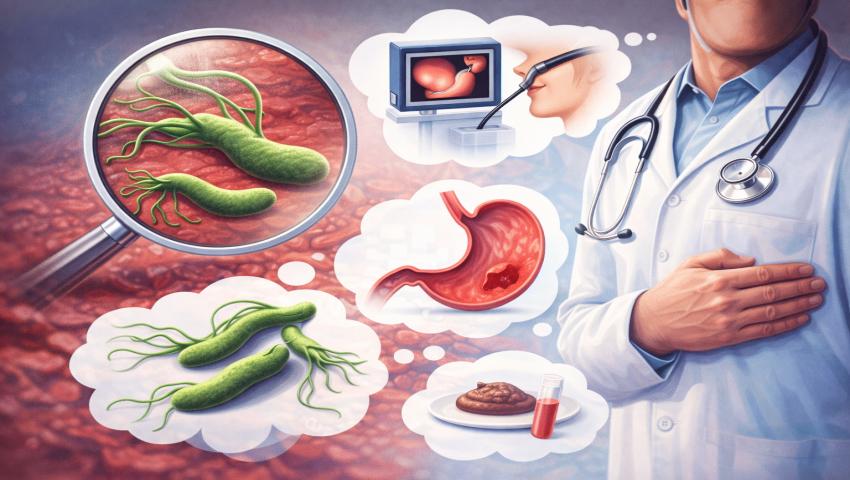
pylori is a type of bacteria that infects the stomach lining. It usually enters the body through contaminated food, water, or poor hygiene. Many people carry this bacteria for years without knowing it. However, in some individuals, H. pylori slowly damages the stomach lining and leads to long-term digestive problems.
According to specialists at Kaizen Gastro Care, Pune, H. pylori infection is one of the most common causes of:
- Chronic acidity
- Gastritis
- Stomach ulcers
- IBS-like symptoms
Is H. pylori Infection Serious?
pylori infection can be mild or serious, depending on how early it is detected and treated.
When H. pylori Is NOT Serious?
- Mild acidity once in a while
- Occasional bloating
- No weight loss or bleeding
- Symptoms improve with simple treatment
In such cases, timely medical treatment can completely eliminate the infection.
When H. pylori Becomes Serious?
- pylori infection becomes serious when it is ignored for a long time. According to Dr. Vikrant Kale, untreated H. pylori can lead to:
- Severe gastritis
- Stomach or duodenal ulcers
- Chronic abdominal pain
- Internal bleeding
- Increased risk of stomach cancer
This is why early diagnosis by an experienced gastroenterologist is very important.
Common Symptoms of H. pylori Infection:
Many symptoms of H. pylori overlap with IBS, which often confuses patients. At Kaizen Gastro Care, doctors carefully evaluate symptoms to reach the correct diagnosis.
Common symptoms include:
- Burning sensation in the stomach
- Frequent acidity or acid reflux
- Bloating and gas
- Nausea or vomiting
- Loss of appetite
- Unexplained weight loss
- Upper abdominal pain
- Black stools (a warning sign)
If these symptoms persist for more than 2–3 weeks, expert consultation is advised.
H. pylori and IBS – Is There a Connection?
Many patients searching for IBS treatment in Pune are surprised to learn that H. pylori can worsen IBS symptoms. Dr. Samrat Jankar, Senior Gastroenterologist and GI Surgeon at Kaizen Gastro Care, explains that:
- pylori can irritate the gut lining
- It can disturb gut bacteria balance
- It may increase sensitivity of the intestines
This can trigger or worsen IBS symptoms, such as:
- Abdominal cramps
- Irregular bowel movements
- Constipation or loose motions
- Gas and bloating
Treating H. pylori in such cases often leads to significant improvement in IBS symptoms.
When Should You Worry About H. pylori?
You should not ignore H. pylori infection if you have:
- Long-term acidity not responding to medicines
- Severe stomach pain
- Repeated vomiting
- Blood in vomit or stools
- Family history of stomach cancer
- IBS symptoms that are not improving
In these situations, at Kaizen Gastro Care, best Gastroenterologist in pune, recommend immediate evaluation.
How Is H. pylori Diagnosed?
At Kaizen Gastro Care, advanced and accurate tests are used for diagnosis, including:
- Breath test
- Stool antigen test
- Blood test
- Upper GI endoscopy (if needed)
Dr. Vikrant Kale, an expert Interventional Endoscopist, ensures precise diagnosis with minimal discomfort to patients.
Treatment for H. pylori Infection:
The good news is that H. pylori is completely treatable.
Treatment usually includes:
- h pylori medicine: A combination of antibiotics
- Acid-reducing medicines
- Diet modification
- Follow-up testing to confirm cure
Doctors at Kaizen Gastro Care customize treatment based on the patient’s symptoms, IBS condition, and overall gut health.
Diet Tips During H. pylori and IBS Treatment:
Diet plays a very important role in healing the stomach.
Experts at Kaizen Gastro Care recommend:
- Eating small and frequent meals
- Avoiding spicy and oily foods
- Limiting tea, coffee, and alcohol
- Including curd and probiotics
- Drinking clean and safe water
The clinic also offers diet guidance, which is extremely helpful for patients undergoing IBS treatment in Pune.
Why Choose Kaizen Gastro Care for H. pylori & IBS Treatment in Pune?
Kaizen Gastro Care has earned a strong reputation as the best gastroenterology clinic in Pune because of:
- Experienced specialists like Dr. Vikrant Kale and Dr. Samrat Jankar
- Accurate diagnosis with advanced technology
- Personalized treatment plans
- Expertise in IBS and functional gut disorders
- Focus on long-term digestive health, not just symptom control
Patients from Wakad, Hinjewadi, Baner, Pimpri-Chinchwad, and nearby Pune areas trust Kaizen Gastro Care for reliable GI care.
Can H. pylori Be Prevented?
Yes, simple lifestyle steps can reduce the risk:
- Wash hands properly
- Drink clean water
- Avoid unhygienic food
- Do not ignore digestive symptoms
Early consultation is the best prevention against complications.
Final Thoughts:
pylori infection is common, but it should never be ignored. When detected early, it can be treated effectively and safely. However, delaying treatment can lead to serious stomach problems and worsen IBS symptoms. If you are experiencing persistent acidity, abdominal pain, or IBS-related issues, consulting an expert gastroenterologist is the right step. Kaizen Gastro Care, under the guidance of Dr. Vikrant Kale and Dr. Samrat Jankar, provides comprehensive and compassionate care for H. pylori infection and IBS treatment in Pune.
Yes, H. pylori is completely curable. It is a bacterial infection that can be effectively eliminated through a specific course of medical treatment. Early diagnosis and following the full duration of the prescribed medication are key to ensuring the bacteria are fully removed from the system.
H. pylori usually enters the body through contaminated food or water. It can also spread through poor hygiene practices or direct contact with the saliva, vomit, or stool of an infected person. Maintaining good hand hygiene and consuming clean, safe water are essential preventive measures.
The standard treatment involves a “triple therapy” or “quadruple therapy” approach, which typically includes:
- Antibiotics: To kill the bacteria.
- Proton Pump Inhibitors (PPIs): To reduce stomach acid and allow the lining to heal.
- Side Effects: Some patients may experience mild side effects during treatment, such as a metallic taste in the mouth, nausea, bloating, diarrhea, or abdominal discomfort. These are usually temporary and resolve once the medication course is finished.
H. pylori can become dangerous if left untreated for a long time. While it may only cause mild acidity or bloating initially, chronic infection can lead to serious complications such as severe gastritis, painful stomach or duodenal ulcers, internal bleeding, and an increased risk of developing stomach cancer.
The most effective way to remove H. pylori is through a customized medical treatment plan prescribed by a gastroenterologist. This includes:
- Medical Therapy: A strict 10 to 14-day course of specific antibiotics and acid-blockers.
- Probiotics: Often recommended to help restore healthy gut bacteria.
- Dietary Support: Avoiding spicy/oily foods and alcohol while including gut-friendly foods like curd can support the healing process.
- Follow-up Testing: A breath or stool test is usually conducted after treatment to confirm the bacteria have been successfully eradicated.