
- 30/04/2026
- Dr Vikrant Kale
- 0 Comments
- GI Motility
When Should Surgery Be Performed If There Are Gallstones?
That dull, gnawing ache just below your right ribs after a heavy meal — you have probably dismissed it as acidity or indigestion. But what if it is something more? For millions of Indians, this discomfort is the first warning sign of gallstones disease, a condition that affects a large number of people and, when ignored, can lead to serious complications.
If you are looking for expert guidance on gallbladder calculi treatment, understanding when to consider a gallstones operation, or simply what causes stones in the gallbladder, you have come to the right place. This blog is written with inputs from Dr. Samrat Jankar — the Best Gastroenterologist in Pune and a leading Laparoscopic Surgeon in Pune. Dr. Jankar serves as Director and Head of the Department of Surgical Gastroenterology at the Kaizen Gastro Care Clinic, PCMC, Pune. With over 17 years of experience in advanced laparoscopic and colorectal surgeries, Dr. Samrat Jankar has successfully performed more than 1,000 laparoscopic surgeries, making him one of the most trusted names for Gallstone Removal Surgery in Pune, Gallbladder Stone Surgery in Pune, and Laparoscopic Surgery in Pune.
Whether you have just been diagnosed or are wondering if surgery is your only option, this guide will walk you through everything you need to know — simply and clearly.
What Is the Gallbladder and What Does It Do?
Before we dive into treatment, let us understand what is gallbladder and its role in the body. The gallbladder is a small, pear-shaped organ tucked beneath the liver on the right side of your abdomen. Its main job — gallbladder work in body — is to store bile, a digestive fluid produced by the liver. When you eat a fatty meal, the gallbladder contracts and releases bile into the small intestine to help break down fats.
While the use of gall bladder is important for efficient digestion, the body can adapt and function quite normally without it. This is why surgical removal of the gallbladder (cholecystectomy) is a well-tolerated and widely performed procedure.
What Are Gallstones? Let's Define Gall Stones
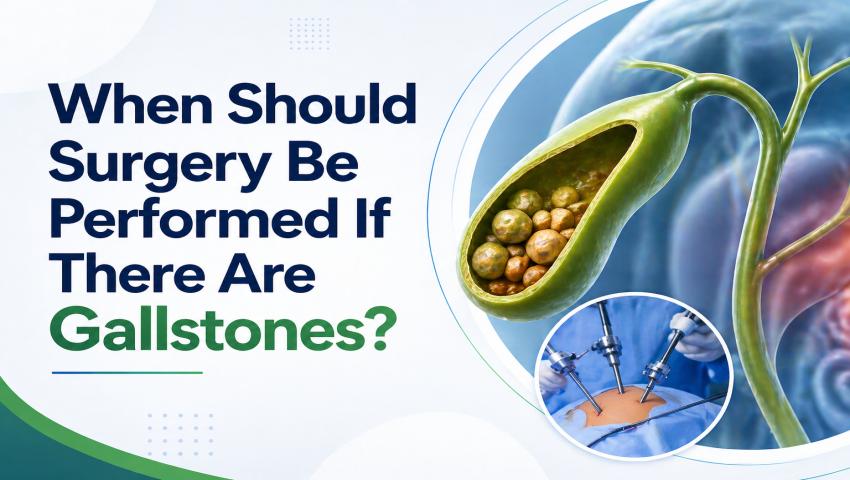
To define gall stones simply: they are hardened deposits of digestive fluid that form inside the gallbladder. Medically known as gallstone cholelithiasis or calculus gallbladder, these stones can vary in size — from as tiny as a grain of sand to as large as a golf ball. Some people develop a single large stone, while others develop multiple calculi in the gallbladder at the same time.
How Are Gallbladder Stones Formed?
Understanding how gallbladder stones are formed helps in prevention. The main causes:
- Excess cholesterol in bile: When the liver excretes more cholesterol than bile can dissolve, the surplus crystallises to form cholesterol stones — the most common type in India.
- Excess bilirubin: Certain conditions like cirrhosis or blood disorders cause the liver to produce too much bilirubin, leading to pigment stones.
- Incomplete emptying of the gallbladder: If the gallbladder does not empty fully or frequently enough, bile becomes overly concentrated and stones begin to form.
- Diet and lifestyle: A high-fat, low-fibre diet, rapid weight loss, obesity, and a sedentary lifestyle are all significant stones in gallbladder causes.
Other causes of gallstone disease include hormonal changes during pregnancy, diabetes, and certain cholesterol-lowering medications. Gallstones symptoms in females are particularly common due to oestrogen, which increases cholesterol in bile and slows gallbladder movement.
Symptoms of Gallstones: How Do You Know You Have Them?
Many people carry gallstones without ever knowing it — these are called “silent” stones. But when a stone blocks a bile duct or causes irritation, the symptoms can be hard to ignore. What are the symptoms of stone in gallbladder? Here are the key warning signs:
- Sudden, sharp pain in the upper right abdomen (biliary colic) — the hallmark of a gallstone attack
- Pain radiating to the right shoulder or back
- Nausea and vomiting, especially after eating fatty or fried foods
- Bloating, gas, and indigestion
- Jaundice — yellowing of the skin and eyes (signals a blocked bile duct)
- Dark urine and pale-coloured stools
- Fever and chills (sign of infection — a medical emergency)
Side effects of gallbladder stone, if left unaddressed, can escalate into serious complications. According to Dr. Samrat Jankar, “Patients often delay seeking care because the pain comes and goes. But each episode of gallbladder attack increases the risk of dangerous complications like cholecystitis, pancreatitis, or bile duct blockage.”
If you experience any of these gallstones effects — especially jaundice, fever with chills, or persistent severe pain — consult a doctor immediately. A gallstones test such as an abdominal ultrasound is usually the first step in confirming the diagnosis.
Is a Gallstone Always Dangerous? When Can You Wait?
Not every gallstone needs immediate surgery. Is gallstones dangerous in every case? The answer is — it depends entirely on whether symptoms are present and how severe they are.
Silent gallstones (asymptomatic) are often discovered incidentally during an ultrasound done for another reason. In such cases, the watchful waiting approach may be adopted. The doctor may recommend dietary adjustments — reducing fatty and fried foods, eating smaller meals, and maintaining a healthy weight — along with periodic monitoring.
Can gallbladder stones be removed by medicine?
There are oral medications like ursodiol that can dissolve certain small cholesterol stones. However, this process takes months or even years, is not suitable for everyone, and the stones often recur once the medicine is stopped. Medicines for gall stone offer temporary relief for mild symptoms but do not provide a permanent cure.
The bottom line: if you have no symptoms and the gallstone is discovered incidentally, your doctor may recommend observation. But once symptoms begin — or complications arise — it is time to have a more serious conversation about surgery.
When Should Surgery Be Performed? Clear Indicators That You Need an Operation
This is the most important question — and the one Dr. Samrat Jankar gets asked most often. Here are the situations that clearly indicate the need for a gallstones operation:
- Recurrent Gallstone Attacks: If you have had more than one episode of severe gallbladder pain (biliary colic), it is unlikely to stop on its own. The risk of a future attack — and its complications — increases with every episode. Surgery is the most reliable solution for preventing recurrence.
- Acute Cholecystitis (Infected or Inflamed Gallbladder): Gallstones and cholecystitis often go hand in hand. Cholecystitis occurs when a stone gets lodged in the cystic duct and the gallbladder becomes inflamed and infected. Signs include intense pain, fever, chills, and a tender abdomen. Surgery — either urgent or within a few days — is almost always required.
- Obstructive Jaundice (Bile Duct Blockage): When gallbladder calculus slips into the common bile duct (choledocholithiasis), it can cause jaundice, dark urine, and pale stools. Removing a stone from the bile duct is often done using an endoscopic procedure (ERCP) followed by gallbladder surgery. This condition requires prompt medical attention.
- Gallstone Pancreatitis: A stone that blocks the pancreatic duct triggers acute pancreatitis — sudden, severe abdominal pain along with nausea and vomiting. This is a serious, potentially life-threatening complication of cholelithiasis and typically requires hospitalisation and eventual gallbladder removal.
- Gallstone at the Neck of the Gallbladder (Hartmann’s Pouch): A gall stone at the neck of the gallbladder or impacted at the outlet can obstruct bile drainage completely, causing intense pain and rapid deterioration. Surgery is urgent in such cases. Similarly, multiple calculi in gallbladder increase the likelihood of stone migration and blockage.
- Empyema or Gangrene of the Gallbladder: In advanced cases of untreated cholecystitis, pus can accumulate in the gallbladder (empyema) or the tissue can begin to die (gangrene). Perforation and rupture of the gallbladder can occur, leading to peritonitis — a life-threatening emergency. Emergency surgical removal of the gallbladder becomes unavoidable.
- Large Stones and Risk of Gallbladder Cancer: Large gallstones (over 3 cm) have been associated with an elevated risk of gallbladder cancer in the long term. While the risk is relatively low, the association is significant enough that many surgeons recommend elective removal even in asymptomatic cases involving very large stones, especially in high-risk populations.
Why Remove the Gallbladder Instead of Just the Stones?
A common question patients ask is: why remove gallbladder instead of stones alone? The reason is straightforward — the gallbladder is the factory where the problem originates. If you only remove the stones, the conditions that caused them remain unchanged, and new stones will almost certainly form again. Removing the gallbladder eliminates both the existing stones and the underlying source of the problem permanently.
Can gall bladder stones be removed without removing the organ? In select cases, ERCP (Endoscopic Retrograde Cholangiopancreatography) can be used to remove stones from bile duct without removing the gallbladder. However, this is typically reserved for stones in the common bile duct, not for stones inside the gallbladder itself.
Does Gallstone Size Matter? The Truth May Surprise You
Many patients assume that only large stones are dangerous. This is a myth. Both small and large stones carry their own risks. Smaller stones can easily slip into bile ducts and cause blockages leading to pancreatitis or cholangitis. Larger stones, on the other hand, can cause obstruction at the neck of the gallbladder and carry a higher long-term risk of cancer.
The key determinant for surgery is not size alone — it is the presence of symptoms, complications, and overall patient health. Whether you have one gallbladder calculus or multiple calculi in gall bladder, your doctor will assess the complete clinical picture before recommending treatment.
What Is Cholecystectomy? Understanding the Gallbladder Removal Operation
What is cholecystectomy? Simply put, it is the surgical removal of the gallbladder — the standard treatment for gallstones that require intervention. There are two main approaches:
Laparoscopic Cholecystectomy (Keyhole Surgery):
This is the gold standard for how gallbladder is removed today. In a laparoscopic cholecystectomy, the surgeon makes three to four tiny incisions (0.5–1 cm) in the abdomen. A small camera (laparoscope) and specialised instruments are inserted to detach and remove the gallbladder. It is minimally invasive, safe, and highly effective. Benefits include:
- Less post-operative pain
- Minimal visible scarring
- Shorter hospital stay (usually 24–36 hours)
- Faster return to normal activities (within 3–7 days for most patients)
- Lower risk of infection
Open Cholecystectomy:
In some complex cases — such as severe inflammation, prior abdominal surgeries, or suspected gallbladder cancer — open surgery may be necessary. This involves a larger incision and a longer recovery. However, with advances in laparoscopic techniques, open surgery is now required in a minority of cases.
Special Situations: Who Needs Extra Consideration?
- Elderly Patients: Older adults are at higher risk of rapid deterioration when complications arise. Early surgery — before complications develop — is often safer than a delayed emergency procedure.
- Pregnant Women: Gallstones are more common during pregnancy due to hormonal changes. Laparoscopic surgery is generally safe during the second trimester if surgery becomes unavoidable.
- Diabetics: People with diabetes are more prone to silent infections and gangrenous cholecystitis. Surgeons often recommend earlier intervention in diabetic patients, even if symptoms seem mild.
- Patients with Prior Abdominal Surgery: Scar tissue (adhesions) from previous surgeries can complicate laparoscopic access. An experienced laparoscopic surgeon like Dr. Samrat Jankar can navigate these challenges effectively.
Recovery After Gallbladder Stone Surgery: What to Expect?
Recovery time for gallstone surgery is relatively short when laparoscopy is performed. Most patients are discharged within one to two days and can resume desk work and light activities within a week. Physical labour or strenuous exercise should be avoided for three to four weeks.
Regarding gall bladder removal side effects and diet:
- For the first few weeks, follow a low-fat diet. Avoid deep-fried foods, whole-fat dairy, and greasy meats.
- Eat smaller, more frequent meals rather than two or three large ones.
- Gradually reintroduce all foods over four to six weeks.
- Most people resume a completely normal diet within six to eight weeks.
- Some patients experience loose stools initially — this usually resolves on its own within a few weeks.
Side effects of a gallbladder removal are generally mild and temporary. The body adjusts to the continuous (rather than stored) bile flow within a few weeks. Serious long-term complications — such as bile duct injury or persistent diarrhoea — are rare when surgery is performed by an experienced laparoscopic surgeon.
Complication after removal of gallbladder is uncommon but can include bile leak, wound infection, or injury to adjacent structures. Choosing a skilled and experienced surgical gastroenterologist significantly reduces these risks.
How to Get Rid of Gallbladder Stones? Your Options Summarised
Here is a quick summary of how gallstones are removed and managed:
- Watchful waiting: For small, silent gallstones with no symptoms.
- Dietary changes and gallstones medicine: Temporary relief for mild symptoms; not a permanent cure.
- ERCP: To remove stones from bile duct (common bile duct stones only).
- Laparoscopic cholecystectomy: The definitive, gold-standard operation for gallstones removal in symptomatic or complicated cases.
- Open cholecystectomy: Reserved for complex or emergency cases.
The treatment of cholelithiasis — whether it involves observation, medication, or cholelithiasis surgery — is ultimately guided by your symptoms, overall health, and the presence of any complications. There is no one-size-fits-all answer, which is why a consultation with a specialist like Dr. Samrat Jankar is invaluable.
Conclusion: Do Not Let Fear of Surgery Make Gallstones More Dangerous
Gallstones, left unaddressed, can progress from a minor inconvenience to a life-threatening emergency. The good news is that modern laparoscopic surgery — in experienced hands — is safe, quick, and highly effective. The recovery is far easier than most patients anticipate, and the vast majority go on to live completely normal, unrestricted lives.
If you have been experiencing recurring upper abdominal pain, have been diagnosed with pittashay stone (gallbladder stones in common Indian parlance), or are worried about gallstones — do not wait for a complication to force your hand. Early treatment leads to better outcomes, simpler surgery, and faster recovery.
Dr. Samrat Jankar and his expert team at Kaizen Gastro Care Clinic, PCMC, Pune, are here to help you make the right, well-informed decision. Book your consultation today and take the first step towards a pain-free life.
Frequently Asked Questions (FAQ's):
Silent gallstones may remain stable for years, but they rarely dissolve without treatment. Oral medications can dissolve small cholesterol stones slowly, but recurrence is common after stopping the medication.
Yes. Laparoscopic cholecystectomy is one of the most commonly performed and safest surgical procedures today. In experienced hands, complications are rare and recovery is swift.
Most patients are discharged within 24–48 hours after laparoscopic surgery and resume normal activities within one week. Full recovery typically takes two to four weeks.
Untreated symptomatic gallstones can lead to serious complications including acute cholecystitis, bile duct obstruction, pancreatitis, gallbladder gangrene, or even gallbladder cancer in rare cases. Early treatment is always safer.
Absolutely. Millions of people live full, active lives after gallbladder removal. The liver continues to produce bile, which flows directly into the small intestine. Most people require only minor dietary adjustments in the initial few weeks.
Cholelithiasis refers to the presence of gallstones in the gallbladder. Cholecystitis refers to inflammation of the gallbladder, often caused by a gallstone blocking the outlet. Cholelithiasis can exist without cholecystitis, but the two frequently occur together.