
- 03/06/2023
- Dr Vikrant Kale
- 0 Comments
- Proctology
Bristol Stool Chart
Medically Reviewed by Gastroenterologists at Kaizen Gastro Care, Pune | Updated: 2026
Your poop tells you a lot about your health. Most people never pay attention to it. But your stool type, colour, and consistency are some of the clearest signals your body gives you about how your digestive system is working.
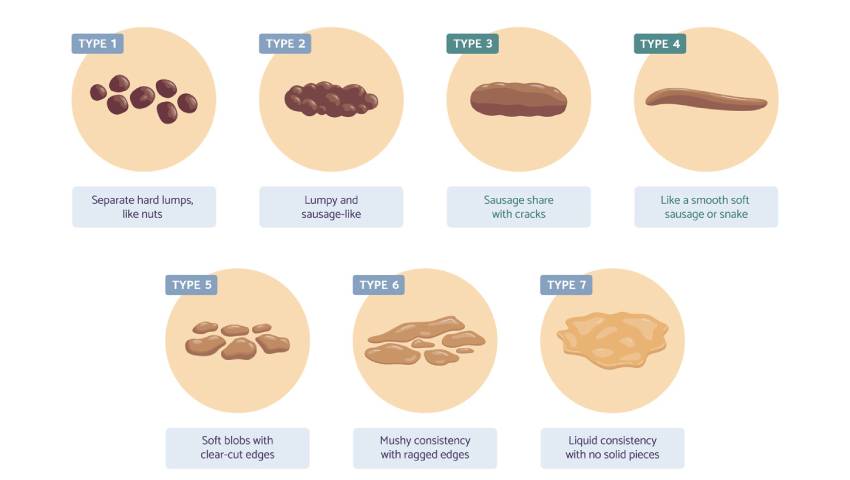
The Bristol Stool Chart is a simple medical tool that classifies stool into 7 types — from hard pebbles to watery liquid. Doctors use it every day to understand your gut health, diagnose conditions like IBS and Crohn’s disease, and monitor treatment progress.
At Kaizen Gastro Care, Pune’s leading Best Gastroenterologist in Pune, our specialists use the Bristol Stool Scale as part of every digestive health evaluation. This guide will help you understand every stool type, what your poop colour means, what causes abnormal stools, and when it’s time to see a doctor.
What Is the Bristol Stool Chart?
The Bristol Stool Chart (also called the Bristol Stool Scale or stool chart) is a clinical reference tool developed in 1997 by Dr. Kenneth Heaton and Dr. Stephen Lewis at Bristol Royal Infirmary, UK.
It classifies human stool into 7 types based on shape and consistency. This helps doctors understand how long stool has been sitting in your colon — and how well your digestive system is moving waste through your body.
The scale is widely used by gastroenterologists worldwide. Our team at Kaizen Gastro Care uses it routinely to diagnose constipation, diarrhea, IBS, and other bowel conditions.
How Does the Bristol Stool Scale Work?
Your colon absorbs water from stool as it passes through. The longer stool stays in the colon, the more water is absorbed — making it harder and drier. The faster it moves, the less water is absorbed — making it loose or watery.
The Bristol Stool Scale runs from Type 1 (hardest) to Type 7 (most liquid):
- Types 1–2 = Constipation
- Types 3–4 = Normal and Ideal
- Types 5–7 = Loose to Severe Diarrhea
The Modified Bristol Stool Chart for Children
For children, paediatricians use a simplified version called the Modified Bristol Stool Form Scale (m-BSFS). It has only 5 types — Types 3 and 5 from the adult chart are removed. Fewer types make it easier for children to point to the poop that matches theirs in a picture. It is commonly used during well-child check-ups to screen for early constipation or diarrhea.
Bristol Stool Chart: All 7 Stool Types Explained
Type 1 — Separate Hard Lumps (Like Small Pebbles)
- Status: Severe Constipation
- What it looks like: Hard, dry, separate pellets. Small and difficult — sometimes painful — to pass. These are often called pebble like stools.
- What it means: Your stool is moving too slowly through your colon. The colon has absorbed too much water, leaving dry, hard, separate pieces. This is a sign of severe constipation.
- Common causes: Low fibre diet, dehydration, sedentary lifestyle, certain medications (especially opioids), stress, or underlying conditions like hypothyroidism.
- What to do: Drink more water. Add fibre-rich foods (fruits, vegetables, whole grains) to your diet. Move your body more. If Type 1 stool is your consistent pattern for more than 2 weeks, see a gastroenterologist
Type 2 — Lumpy, Sausage-Shaped Stool
- Status: Constipation
- What it looks like: Sausage-shaped but bumpy and lumpy. Firm and often uncomfortable to pass.
- What it means: Still constipated, but less severe than Type 1. Stool has spent too long in the colon. Water has been over-absorbed.
- Common causes: Low fibre, insufficient water intake, inactivity.
- What to do: Increase both fibre and fluid intake. Regular walking after meals helps stimulate bowel movement. Short-term use of a stool softener is fine. But if you depend on laxatives regularly, speak to a doctor — overuse can actually worsen constipation over time.
Type 3 — Sausage Shape With Cracks on the Surface
- Status: Normal
- What it looks like: Sausage-shaped with visible surface cracks. Passes without too much difficulty.
- What it means: This is within the normal stool range. Slightly firmer than ideal. A little more fibre and water can help soften it to a Type 4.
- What to do: No medical concern. Maintain a balanced diet, stay hydrated, and keep active.
Type 4 — Smooth, Soft, Snake-Like Stool
- Status: Ideal — Healthy Poop
- What it looks like: Smooth, soft, and continuous — like a sausage or a snake. Passes easily with no straining.
- What it means: This is the ideal stool type. Your digestive system is working well. Gut transit time is healthy. Stool has absorbed the right amount of water. This is what healthy poop looks like.
- What to do: Keep doing what you are doing. This is the goal for every bowel movement.
Type 5 — Soft Blobs With Clear-Cut Edges
- Status: Borderline
- What it looks like: Soft, defined blobs with clear edges. Easy — sometimes too easy — to pass.
- What it means: Stool is moving a little too fast through the colon. This is borderline loose. Not classified as diarrhea, but not ideal either. Often linked to low dietary fibre, which is needed to add bulk to stool.
- Common causes: Low fibre diet, mild food intolerance, stress, alcohol, or eating too quickly.
- What to do: Increase soluble fibre (oats, bananas, psyllium husk). Reduce caffeine and alcohol. If this is your consistent stool type, mention it to your doctor.
Type 6 — Fluffy, Mushy Pieces With Ragged Edges
- Status: Diarrhea
- What it looks like: Mushy, fluffy chunks with torn, irregular edges. Loose and watery in texture.
- What it means: This is loose diarrhea. Stool is passing too quickly through your colon. The colon has not had time to absorb enough water.
- Stool type 6 causes include viral infections (norovirus), food poisoning, food intolerances (lactose, gluten), antibiotic use, IBS-D, stress, and fatty or spicy meals. This is one of the most common causes of mushy stool. If you have been asking why is my stool runny — rapid gut transit is the most frequent answer.
- What to do: Stay hydrated. Eat bland foods (rice, toast, bananas). Avoid dairy, caffeine, and fatty foods. If it lasts more than 3 days, or if you see blood or have a fever, seek medical help.
Type 7 — Entirely Liquid With No Solid Pieces
- Status: Severe Diarrhea
- What it looks like: Completely watery. No solid pieces at all.
- What it means: Severe diarrhea. Stool is passing through so rapidly that the colon absorbs almost no water. Dehydration is a serious risk.
- Why do I have diarrhea this severe? Serious causes include bacterial or parasitic gut infections, IBD flare-ups (Crohn’s disease or ulcerative colitis), severe food poisoning, and medication reactions.
- What to do: Start rehydrating immediately with ORS (oral rehydration salts). Do not wait. If Type 7 stool persists beyond 24–48 hours, or if there is blood, fever, or severe pain — go to a doctor straight away.
- Quick Reference: Types 1–2 = constipation. Types 3–4 = normal/ideal. Type 5 = borderline loose. Types 6–7 = diarrhea. The goal is to consistently produce Type 3 or Type 4 stool.
Stool Colour Chart: What Each Poop Colour Means
Beyond stool shape, stool colour gives you important health clues. Use this poop color chart to understand what different stool colours mean. Most healthy stool is brown — but poop colors meaning can vary widely based on diet, medications, and health conditions.
- Brown — Normal. Caused by the breakdown of bile. This is your normal stool color. No action needed.
- Green — Usually harmless. Caused by eating leafy greens, fast gut transit, or bile that has not fully broken down. Monitor if it persists.
- Yellow / Greasy — May indicate fat malabsorption, coeliac disease, or a bile duct issue. Greasy, foul-smelling yellow stool is a red flag. See a doctor.
- Pale / Clay / White — Suggests a problem with bile production or flow. The liver, gallbladder, or bile ducts may be involved. Pale stool means bile is not reaching your gut. See a doctor soon.
- Black / Tarry — May indicate bleeding in the upper digestive tract (stomach or oesophagus). This is a medical emergency unless you are taking iron supplements, which can cause black stool harmlessly. Get checked immediately.
- Bright Red — Suggests bleeding from the lower digestive tract — haemorrhoids, anal fissures, or the lower colon. Can also temporarily result from eating beets or red food. Always get this evaluated.
- Dark Red / Maroon — May indicate bleeding from the upper colon or small intestine. Requires prompt medical attention.
Note: Foods like beets, spinach, and artificial dyes, as well as medications like iron and bismuth, can temporarily change stool colour. Always consider what you have eaten recently. But if unusual colour persists beyond 2–3 days, see a specialist.
What Does Healthy Poop Look Like?
Healthy poop is about more than just stool consistency and stool shape. Here is a full picture of what a normal, healthy bowel movement looks like.
- Colour: Medium to dark brown. Slight variation based on diet is fine. This is your normal stool color.
- Shape and consistency: Type 3 or 4 on the Bristol Stool Chart. Smooth and formed. Passes easily without pain or straining.
- Frequency: Anywhere from 3 times per day to 3 times per week. What matters is consistency in your personal pattern — not hitting a fixed number.
- Ease of passing: Should take less than a minute. No straining. No pain. Complete feeling of emptying.
- Smell: All stool has an odour. A persistent, dramatic change in smell that is not related to what you ate may signal a gut bacteria imbalance.
- Sinking vs floating: Healthy stool generally sinks. Floating stool occasionally is normal (caused by gas). If stool consistently floats, it may indicate fat malabsorption — worth mentioning to a doctor.
What Causes Abnormal Stools?
Abnormal stool types do not always signal something serious. But understanding the causes helps you make the right changes — and know when to seek help.
Causes of Constipation (Stool Types 1 and 2)
- Dehydration. Not drinking enough water is the most common cause. When the body is dehydrated, the colon pulls more water from stool, making it harder and drier.
- Low fibre diet. Without enough fibre from fruits, vegetables, legumes, and whole grains, stool has no bulk and moves slowly.
- Sedentary lifestyle. Physical inactivity slows gut motility — the muscular contractions that push stool through the colon.
- Medications. Opioid painkillers, antidepressants, iron supplements, calcium channel blockers, and antacids containing aluminium are all known to cause constipation.
- Stress and anxiety. The gut-brain connection is real and powerful. Stress signals from the brain can slow bowel transit significantly.
- Underlying conditions. IBS with constipation (IBS-C), hypothyroidism, pelvic floor dysfunction, and certain neurological conditions can all cause chronic constipation.
Causes of Diarrhea (Stool Types 5, 6, and 7)
- Infections. Viral (norovirus, rotavirus), bacterial (Salmonella, E. coli, Campylobacter), and parasitic infections are the most common causes of acute diarrhea.
- Food intolerances. Lactose intolerance, gluten sensitivity, and sensitivity to high-FODMAP foods are extremely common triggers.
- Antibiotics. Antibiotics disrupt your gut bacteria balance. This is one of the most common type 6 stool causes seen in clinical practice.
- IBS-D. Irritable bowel syndrome with diarrhea causes recurrent loose stools, often triggered by stress, certain foods, or hormonal changes.
- IBD. Crohn’s disease and ulcerative colitis cause chronic diarrhea — often with blood, mucus, urgency, and pain.
- Stress and anxiety. The gut-brain axis means that emotional stress directly triggers bowel urgency and loose stools in many people.
When to See a Gastroenterologist - Kaizen Gastro Care About Your Stool?
Many bowel changes are harmless and temporary. But some symptoms require professional evaluation — especially if they persist. At Kaizen Gastro Care Clinic, Pune, our specialists recommend not ignoring the following warning signs.
Red Flag Symptoms for Constipation
See a gastroenterologist if you have:
- New onset of constipation after the age of 50
- Blood in stool or on toilet paper
- Unexplained weight loss alongside constipation
- Constipation lasting more than 3 weeks despite lifestyle changes
- Severe pain when passing stool
- A persistent feeling of incomplete bowel evacuation
- Alternating constipation and diarrhea
- Persistently narrow or pencil-thin stools
Red Flag Symptoms for Diarrhea
See a gastroenterologist if you have:
- Diarrhea lasting more than 2 weeks
- Blood or visible mucus in loose stools
- Diarrhea that wakes you from sleep at night
- Fever alongside diarrhea
- Severe abdominal pain
- Signs of dehydration — dizziness, dark urine, extreme thirst
- Unexplained weight loss
- Recent international travel with persistent symptoms
Conditions Diagnosed Using the Bristol Stool Chart
Gastroenterologists use the Bristol Stool Scale as part of diagnosing several conditions:
- IBS-C, IBS-D, IBS-M. The Rome IV diagnostic criteria for IBS classification uses Bristol stool types. Predominant Types 1–2 suggest IBS-C. Predominant Types 6–7 suggest IBS-D. A mix of both suggests IBS-M.
- Crohn’s Disease. Chronic Type 6–7 stool — often with blood, mucus, and abdominal pain — is a hallmark of active Crohn’s disease.
- Ulcerative Colitis. Frequent, urgent loose stools with blood and mucus are the primary symptoms of active ulcerative colitis.
- Coeliac Disease. Pale, greasy, foul-smelling stools (often Type 5–6) can indicate fat malabsorption caused by coeliac disease.
- Chronic Constipation. Persistent Types 1–2 stool despite lifestyle changes may indicate slow transit constipation or pelvic floor dysfunction — both of which respond well to specialist treatment.
At Kaizen Gastro Care Clinic, Pune — Dr. Samrat Jankar (17 years of experience) and Dr. Vikrant Kale (18 years of experience) provide expert diagnosis and treatment for all digestive and bowel conditions. Book your appointment today.
Conclusion:
Monitoring and understanding your stool using the stool chart can be a helpful tool in evaluating your digestive health. By paying attention to the consistency and appearance of your bowel movements, you can determine potential issues and take proactive steps toward maintaining a healthy digestive system. Maintaining a well-balanced diet, staying hydrated, and promptly addressing any significant changes can help ensure a healthy digestive tract.
Remember, the stool chart is not a diagnostic tool but a helpful guide that can contribute to a better understanding of our body’s overall well-being.