
- 17/07/2026
- Dr Vikrant Kale
- 0 Comments
- Gut Health
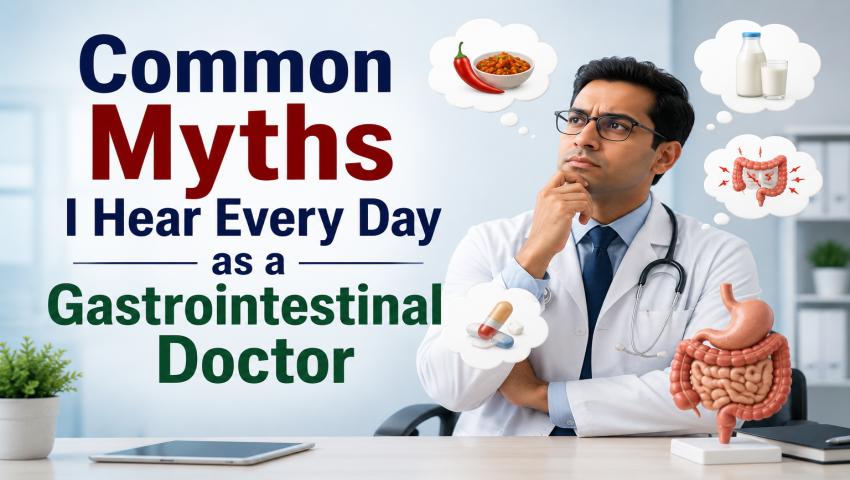
Common Myths I Hear Every Day as a Gastrointestinal Doctor
Every day, many patients come to our clinic. They look worried. Most of them have already searched for their symptoms on Google. Some have taken advice from neighbours or relatives. Others simply ignore their symptoms for months. They think it is “just gas” or “normal for my age.”
We are Dr. Vikrant Kale and Dr. Samrat Jankar from Kaizen Gastro Care, known as the Best Gastroenterologist in Pune. We hear the same myths, again and again. These myths delay proper treatment. Sometimes, serious problems grow silently because of wrong beliefs. In this blog, we will clear the most common myths about stomach and gut health. Our aim is simple – help you understand your gut better, so you can take the right decision at the right time.
What Are Gastrointestinal Disorders?
Gastrointestinal (GI) disorders are problems related to your food pipe, stomach, intestines, liver, pancreas, and gallbladder. Some problems are small, like acidity. Some are serious, like ulcerative colitis, liver cirrhosis, or gastric cancer. Some GI problems go away on their own. Others need long-term care. It is important to know the difference.
8 Common Gut Myths: What You Need to Know ?
1. Stomach Pain Is Always Caused by Gas:
This is the most common myth. People think all stomach pain is gas. But stomach pain has many causes. It can be gas. It can also be ulcers, gallstones, appendix problem, or even heart trouble. Not every stomach pain is harmless. If your pain is severe, or it keeps coming back, please do not guess the cause yourself. Visit a stomach specialist in Pune for proper check-up.
2. Acid Reflux (GERD) Is Only Caused by Spicy Foods:
Many people think spicy or oily food is the only reason for acid reflux. This is not fully true. GERD, or Gastroesophageal Reflux Disease, can happen due to obesity, smoking, alcohol, stress, pregnancy, and even some medicines. Spicy food is just one trigger, not the only one. If you need acidity treatment in Pune often, it is better to find the real cause instead of blaming food alone.
3. Colonoscopy Is Only for Older Adults:
This myth can be risky. It is true that colon cancer risk goes up with age. But young people are not safe either. These days, doctors see more colon problems in people who are only 30 or 40 years old. If colon cancer runs in your family, or if you have sudden weight loss or blood in stool, your doctor may suggest a colonoscopy, no matter your age. Please do not wait for a certain birthday to get checked.
4. Spicy Foods and Stress Are the Main Causes of Stomach Ulcers:
For many years, people believed stress and spicy food cause ulcers. But medical studies say something different. Most stomach ulcers happen because of a bacteria called H. pylori. They can also happen due to long-term use of painkillers. Stress and spicy food may make the pain worse, but they are rarely the real cause. With the right test and treatment, most ulcers can be fully cured.
5. Constipation Is Normal and Doesn't Need Treatment:
Sometimes, constipation is normal. But if it continues for weeks or months, it is not something to ignore. It can be a sign of thyroid problem, IBS, or even a blockage in the gut. If constipation stays untreated for long, it can also lead to piles and fissures. If this is happening to you often, please see a doctor instead of only trying home remedies.
6. Blood in Stool Is Always Due to Piles:
We take this myth very seriously. Yes, piles are a common reason for blood in stool. But it can also mean fissures, infection, inflammatory bowel disease, or even colorectal cancer. If you assume it is “just piles” without checking, you may delay finding something more serious. As a trusted Best Piles specialist in Pune, we always suggest a proper check-up before assuming the cause.
7. You Can Detox Your Digestive System with Special Diets:
Detox teas, juice cleanses, and special diets are advertised a lot these days. People think these “clean” the gut. But in truth, your liver and kidneys already do this job very well. There is no strong scientific proof that detox diets improve gut health. In fact, some extreme detox plans can cause deficiency of important nutrients. They can even make existing gut problems worse. A simple, balanced diet works much better than any detox trend.
8. More Fiber Is Always Better for Your Gut:
Fiber is good for health, but more fiber is not always better. For people with IBS or active flare-ups of IBD, too much fiber, especially insoluble fiber, can increase bloating and discomfort. As an ulcerative colitis specialist in Pune, we often guide our patients on the right type and amount of fiber for their specific condition. One size does not fit all.
Signs You Should Never Ignore:
Some symptoms need urgent medical attention. Please do not delay a visit if you have:
- Persistent abdominal pain
- Blood in stool
- Difficulty swallowing
- Unexplained weight loss
- Ongoing diarrhea or constipation
These signs can point to something minor, or something serious. Early check-up always gives better results.
Tips for Maintaining a Healthy Digestive System:
- Eat your meals on time. Do not skip meals.
- Add fruits, vegetables, and whole grains to your diet.
- Drink enough water every day.
- Do some exercise regularly, even a daily walk helps.
- Limit alcohol. Avoid smoking.
- Manage stress with yoga, meditation, or a hobby you enjoy.
- Do not take painkillers or antacids on your own for a long time.
- Get regular health check-ups, especially after 40 years of age.
When to Consult a Gastrointestinal Doctor?
You should see a gastroenterologist if your digestive symptoms last more than two weeks. Also see a doctor if home remedies are not working, or if you notice any warning sign mentioned above. Do not wait for symptoms to become severe. Early consultation often means simple and fast treatment.
Conclusion:
Digestive health is often misunderstood. Wrong beliefs can lead to delay in diagnosis, or unnecessary worry. At Kaizen Gastro Care, Dr. Vikrant Kale and Dr. Samrat Jankar believe that awareness is the first step to good gut health. If you have been believing assumptions instead of facts, we request you to book a consultation. Your gut health deserves expert care, not guesswork.
If you are facing any digestive symptom, do not wait or self-diagnose. Book a consultation with Kaizen Gastro Care today.
Contact Kaizen Gastro Care:
📍 Address: Shop no. 208/209, Oriana Crest Building, Datta Mandir Rd, Wakad, Pune, Maharashtra 411057
📞 Phone: 097636 35252
📧 Email: kaizengastrocare@gmail.com
About the Author:
This blog is written by the medical team at Kaizen Gastro Care, led by Dr. Vikrant Kale (Gastroenterologist, Hepatologist & Interventional Endoscopist) and Dr. Samrat Jankar (Gastroenterologist, Laparoscopic & GI Surgeon). Together, they have over 17 years of experience. They are committed to giving expert and caring digestive treatment to patients across Wakad, Pimpri-Chinchwad, Baner, Aundh, and Hinjewadi, Pune.
Frequently Asked Questions (FAQ):
You should see a gastroenterologist if you experience persistent abdominal pain, blood in stool, difficulty swallowing, unexplained weight loss, chronic diarrhea or constipation, frequent acidity or heartburn, or bloating that doesn’t improve. These signs should never be ignored, as they may point to underlying digestive conditions that need proper diagnosis and treatment.
One of the biggest misconceptions is that all digestive discomfort is minor and will resolve on its own. In reality, symptoms like persistent pain, bleeding, or unexplained weight changes can indicate serious underlying conditions. Consulting a qualified doctor for proper diagnosis is always safer than assuming the cause without medical evaluation.
Yes, mild to moderate acidity can often be managed entirely through lifestyle changes, such as eating smaller meals, avoiding late-night dinners, and managing weight. However, severe or chronic GERD may require medical therapy or a detailed evaluation by a specialist.
If your stomach pain is accompanied by fever, persistent vomiting, yellowing of the skin or eyes (jaundice), or blood in your stool, it is a medical emergency. You must see a doctor immediately.
Generally, it helps to limit highly processed foods, deep-fried items, excessive caffeine, carbonated drinks, and very spicy dishes. Keeping a food diary can help you identify your specific triggers.