
- 27/08/2026
- Dr Vikrant Kale
- 0 Comments
- Blogs
Mucous Stools and White Mucus in Poop: What Your Body Is Trying to Tell You?
Have you ever glanced into the toilet and noticed something whitish and jelly-like mixed in your stool? It happens to a lot of people, and the first reaction is almost always worry. Maybe you even opened your phone late at night and typed “white mucus in poop,” only to end up more confused after reading ten different things online.
Let’s keep this simple. Mucus in your stool is actually very common, and most of the time, it’s just your body doing its job — protecting your gut the way it’s supposed to. But once in a while, it can be an early hint that something in your digestive system needs a little attention.
In this blog, we’ll walk you through it all in plain — why mucus shows up, what its colour might be telling you, when it’s worth worrying about, and how the team at Kaizen Gastro Care can help if you ever need us.
What Is Mucus in Stool?
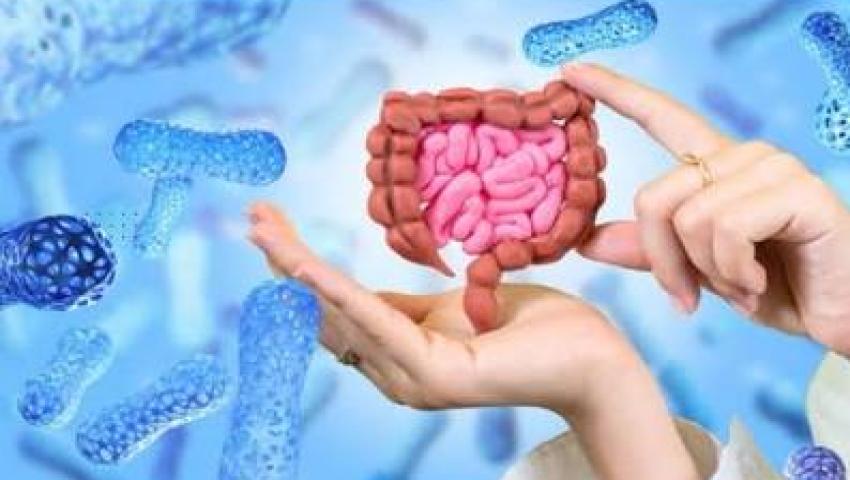
Mucus is a soft, slippery, jelly-like substance. Your intestine makes it every single day, whether you notice it or not.
What is normal mucus? Normal mucus is usually clear, whitish, or slightly yellow. It is present in a very thin layer, so it mixes with stool and you do not see it separately. This is completely healthy.
Why does the intestine produce mucus? Your gut has millions of tiny glands that release mucus continuously. This mucus does three important jobs. It lubricates the intestine so stool passes smoothly. It protects the gut lining from stomach acid and digestive juices. And it acts as a barrier against harmful bacteria. So mucus is not your enemy — it is actually your gut’s natural defence system.
Is It Normal to Have White Mucus in Your Poop?
This is the most common question patients ask our stomach specialist in Pune. The honest answer is — it depends on how much, how often, and what else is happening with your body.
When it’s harmless: A thin streak of white mucus once in a while is usually not a concern. It often happens after mild dehydration, after straining during constipation, or after eating something that irritated your gut slightly.
When it needs medical attention: If you see mucus almost every time you pass stool, if the amount is large, or if it comes along with blood, pain, fever, or weight loss, please do not ignore it. This pattern usually means your intestine is inflamed or irritated, and it needs proper evaluation by a gastroenterologist.
What Causes Mucous Stools or White Mucus in Stool?
There are many possible reasons behind mucus in poop. Some are simple and temporary. Others need long-term treatment. Let us understand each one.
Irritable Bowel Syndrome (IBS):
IBS is one of the most common digestive disorders in India today, especially among working professionals with stressful lifestyles. In IBS, the gut becomes overly sensitive. This leads to mucus in stool, along with bloating, gas, and irregular bowel habits — sometimes constipation, sometimes loose motions.
Inflammatory Bowel Disease (Ulcerative Colitis & Crohn's Disease):
IBD is a long-term condition where the colon or intestine remains inflamed. In ulcerative colitis, the inner lining of the colon becomes swollen and produces excess mucus, often mixed with blood. Crohn's disease can affect any part of the digestive tract and also causes mucus, along with pain and weight loss. Both conditions need proper IBD treatment in Pune under expert supervision.
Intestinal Infections:
Bacterial infections like Salmonella or E. coli, or viral infections, can inflame your gut lining suddenly. This causes the intestine to produce extra mucus as a protective response, often along with diarrhoea and cramps.
Constipation:
When stool stays in the colon for too long, it becomes hard and dry. Your gut releases extra mucus to help push this hard stool out. This is why people with chronic constipation often notice white mucus in stool.
Colon Polyps:
Polyps are small growths on the inner wall of the colon. Some polyps, especially larger ones, produce extra mucus. Most polyps are harmless, but some can turn cancerous over time if not removed, which is why regular screening matters.
Colorectal Cancer (Rare but Important):
This is rare, but it is important to mention. Persistent mucus in stool, especially with blood, unexplained weight loss, and a change in bowel habits, can sometimes be an early warning sign of colorectal cancer. Early detection through colonoscopy in Pune can save lives.
Anal Fissure or Hemorrhoids (Piles):
A small tear near the anus, or swollen piles, can cause local irritation. This often produces mucus along with slight bleeding, especially after passing hard stool.
Diverticulitis:
This happens when small pouches form in the wall of the colon and get inflamed or infected. It usually causes pain in the lower abdomen, along with mucus in stool.
Parasitic Infections:
Parasites like Giardia can attach to your intestinal lining and cause ongoing irritation, leading to mucus, bloating, and loose motions.
What Does the Colour of Mucus Mean?
The colour of mucus can give useful clues about what is happening inside your gut. Here is a simple table to help you understand:
Please remember, this table is only a general guide. The exact cause can only be confirmed after proper examination and tests by a gastroenterologist.
Symptoms That May Occur Along with Mucous Stool:
Mucus alone is often not a big worry. But if it comes together with other symptoms, please take it seriously:
- Abdominal pain or cramping
- Diarrhoea (loose, watery stools)
- Constipation (difficulty passing stool)
- Blood in stool
- Fever
- Unexplained weight loss
- Bloating and excessive gas
If you are experiencing two or more of these symptoms along with mucus, it is best to consult a doctor soon rather than waiting.
When Should You See a Gastroenterologist?
You should book an appointment with a gastroenterologist in Pune if:
- Mucus in stool continues for more than one week
- You see blood mixed with the mucus
- You have ongoing abdominal pain
- You are losing weight without trying
- You have a family history of colon cancer or IBD
- Your bowel habits have suddenly changed
Early consultation helps in early diagnosis. Most digestive conditions are far easier to treat when caught early.
How Is the Cause of Mucous Stool Diagnosed?
At Kaizen Gastro Care, diagnosis is done step by step, so nothing is missed.
- Medical history: The doctor asks about your symptoms, diet, lifestyle, and family history.
- Physical examination: A general check-up, including examination of the abdomen.
- Stool tests: To check for infection, blood, or inflammation markers.
- Blood tests: To check for anaemia, infection, or inflammation in the body.
- Colonoscopy: A detailed look inside the colon using a thin camera, to check for polyps, inflammation, or cancer.
- Sigmoidoscopy: A shorter procedure to examine the lower part of the colon.
- CT Scan or MRI: Used in some cases to get a detailed picture of the abdomen.
Dr. Vikrant Kale, with experience of over 8000 gastroscopies, 5000 colonoscopies, and 3000 ERCPs, uses advanced endoscopy equipment to make sure every diagnosis at Kaizen Gastro Care is accurate and comfortable for the patient.
Treatment for Mucous Stools At Kaizen Gastro Care :
Treatment always depends on the actual cause, not just the symptom. That is why proper diagnosis comes first.
- Treatment for IBS: Dietary changes, stress management, and medicines to calm the gut.
- Treatment for IBD: Long-term medicines to control inflammation, along with regular monitoring.
- Antibiotics for infections: Given only after confirming a bacterial infection.
- Dietary changes: A personalised gut-friendly diet plan, often guided by our Gut Diet & Nutrition Specialist, Dt. Bhushan Khedkar.
- Probiotics: Good bacteria supplements to restore healthy gut balance.
- Lifestyle modifications: Better sleep, regular meals, and stress reduction.
- Surgery (when required): For conditions like fistula, hernia, or severe piles, Dr. Samrat Jankar performs advanced laparoscopic surgeries with faster recovery.
Home Remedies to Reduce Mucus in Stool:
Along with medical treatment, small daily habits can make a real difference:
- Stay hydrated: Drink at least 8-10 glasses of water daily.
- Eat more fibre: Fruits, vegetables, and whole grains keep your gut healthy.
- Avoid processed foods: These irritate the gut lining over time.
- Manage stress: Yoga, meditation, or simple breathing exercises help calm the gut-brain connection.
- Exercise regularly: Even a 30-minute walk daily improves digestion.
- Take medicines only on doctor’s advice: Self-medication can sometimes worsen the problem.
Foods to Eat and Foods to Avoid:
What you eat directly affects your gut health. Here is a simple guide:
Small changes in your daily diet can reduce gut irritation and lower the chances of mucous stools over time.
Common Myths About Mucous Stools:
There’s a lot of confusion around mucus in stool, and honestly, half the worry comes from myths people have heard rather than facts. Let’s clear a few of these up.
Myth 1: Mucus always means cancer.
This is probably the biggest fear people have, but it’s simply not true. Colon cancer is actually one of the rarest causes of mucus in stool. In the vast majority of cases, it’s something far more manageable, like IBS, constipation, or mild irritation from something you ate. Cancer usually comes with other clear warning signs too, like unexplained weight loss or blood in the stool over a period of time, not just mucus alone.
Myth 2: Mucus is always due to infection.
Many people assume mucus means they have picked up some kind of stomach infection, and rush to start antibiotics on their own. But that’s not always the case. Conditions like IBS and IBD have nothing to do with infection at all. They happen because the gut is either overly sensitive or inflamed, not because of bacteria or viruses. Taking antibiotics without a proper diagnosis can actually do more harm than good.
Myth 3: It will go away on its own.
Sometimes, yes, it does. If mucus shows up because of mild dehydration or a one-off bout of constipation, it usually settles once you’re back to normal eating and drinking habits. But if it keeps happening week after week, telling yourself it’ll “just go away” can cost you valuable time. Conditions like IBD need early treatment to prevent long-term damage, so persistent mucus is always worth getting checked rather than ignored.
Conclusion:
Seeing mucus in stool can feel scary at first, but in most cases, it is simply your body sending a small signal. The key is to notice the pattern — how much, how often, and what other symptoms are present. If mucus continues, or if you notice blood, pain, or weight loss, please do not delay a check-up.
At Kaizen Gastro Care, we believe in listening to your concerns carefully and giving you clear answers, not confusion. Book a consultation today and take the first step towards a healthier gut.
About the Author This blog is medically reviewed by the expert team at Kaizen Gastro Care, led by Dr. Vikrant Kale and Dr. Samrat Jankar, dedicated to providing trusted digestive healthcare in Pune.
Frequently Asked Questions (FAQ's):
Yes, a small amount is completely normal. Your gut produces mucus every day to protect its lining and help stool pass smoothly. It only becomes a concern when the amount increases or it happens too often.
This usually points to constipation, mild dehydration, or an early sign of IBS. When stool moves too slowly or becomes hard, your gut adds extra mucus to ease its passage. In most cases, it settles once the underlying cause is managed.
Yes, more than people realise. Your gut and brain are closely connected, so anxiety or ongoing stress can directly affect bowel movements. This connection often shows up as extra mucus, along with bloating or irregular motions.
Rarely, but it’s not impossible. Most cases are linked to IBS, IBD, infections, or simple constipation. Cancer becomes a concern mainly when mucus is paired with blood, weight loss, or a lasting change in bowel habits.
Pay attention if it happens frequently, appears in large amounts, or contains blood. It’s also worth checking if you have ongoing pain, fever, or unexplained weight loss alongside it. In these cases, it’s best not to wait it out.
Yes, IBS is actually one of the most common causes. A sensitive, overreactive gut often produces extra mucus, especially along with bloating and irregular bowel habits. It tends to flare up more during stressful periods.
A gastroenterologist is the right specialist for this. They can properly evaluate your symptoms and identify the exact cause. At Kaizen Gastro Care in Wakad, Pune, our specialists handle this regularly with a patient-first approach.
Doctors usually start with a stool test and blood test to check for infection or inflammation. If needed, a colonoscopy may follow for a closer look inside the colon. The right combination depends on your specific symptoms.