
- 09/05/2025
- Dr Vikrant Kale
- 0 Comments
- GI Motility
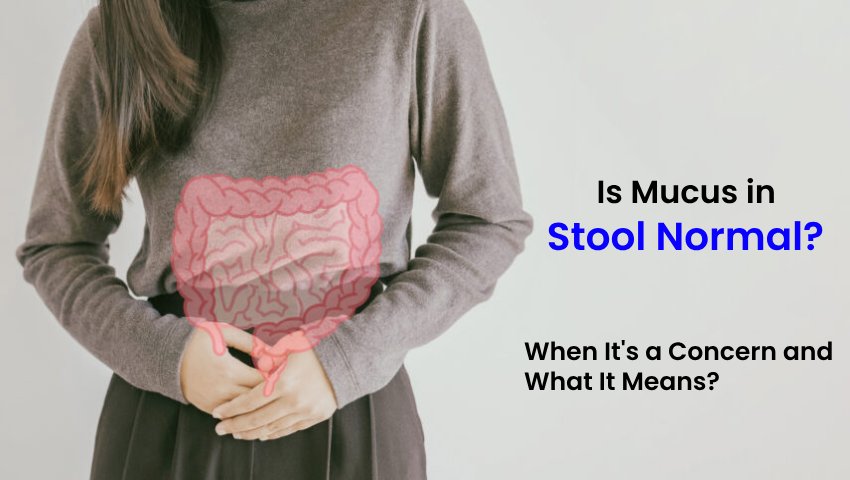
Is Mucus in Stool Normal? When It’s a Concern and What It Means?
Introduction: Is Mucus in Stool Normal?
Many people worry when they notice something unusual in the toilet. One common question is: Is mucus in stool normal? The short answer is yes. Small amounts of mucus are usually normal and nothing to fear. Your intestines produce a clear, jelly like mucus in stool to keep the lining of your colon lubricated and moist. This helps waste slide through easily.
However, if you see a lot of slimy stool or a sudden change in its color, it might mean something is wrong. Knowing what does mucus in stool means helps you decide if you need a checkup.
At Best Gastroenterology clinic – Kaizen Gastro Care, experts suggest that while a little mucus is fine, large amounts often point to inflammation or infections. If you notice persistent slimy poop along with pain or fever, it is time to seek professional advice.
What Does Mucus in Stool Mean?
Mucus is a thick, slippery fluid. It acts like a protective layer for your gut. Most of the time, this mucus is invisible because it mixes with the waste. When it becomes visible, you might see white mucus in stool or even yellow mucus in stool.
Visible mucus means your body is producing extra fluid. This happens when the digestive tract is irritated. It is your body’s way of trying to protect itself. Whether it is a temporary stomach bug or a long-term issue, the appearance of stool with mucus is a signal from your digestive system.
If you notice stool with mucus along with other symptoms, it could be a sign of an underlying health issue. Here is a simple breakdown of what your body might be trying to tell you:
1. Irritable Bowel Syndrome (IBS)
IBS is a common gut problem. It doesn’t damage your organs, but it can cause a lot of discomfort.
- The Sign: Often shows up as white mucus in stool.
- Other Symptoms: Stomach cramps, gas, and switching between diarrhea and constipation.
2. Inflammatory Bowel Disease (IBD)
This is more serious and includes Crohn’s disease or Ulcerative Colitis. It causes long-term swelling in your gut.
- The Sign: You may see blood in stool with mucus or jelly like mucus in stool.
- Other Symptoms: Severe pain, feeling very tired, and losing weight without trying.
3. Infections
Sometimes, “bad” germs like Salmonella or parasites enter your body through food or water.
- The Sign: This often leads to yellow mucus in stool or even green mucus in stool.
- Other Symptoms: Fever, watery diarrhea, and painful stomach cramps.
4. Anal Fissures or Hemorrhoids
Small tears or swollen veins near the anus can cause irritation.
- The Sign: You might see slimy stool or mucus specifically on the toilet paper.
- Other Symptoms: Pain when passing stool and bright red blood.
5. Colon Polyps or Cancer
In rare cases, a growth in the colon can irritate the lining.
- The Sign: Persistent slimy poop paired with a change in how often you go to the bathroom.
- Other Symptoms: Persistent weakness and unexplained weight loss.
When Should You Be Concerned?
You do not need to panic over a one-time occurrence. However, you should be concerned if the mucus is accompanied by other “red flag” symptoms.
It is a concern if:
- The amount of mucus increases significantly.
- You see blood in stool with mucus.
- You have persistent diarrhea or constipation.
- You experience severe abdominal cramping.
- The mucus lasts for more than a few days.
If you are in Maharashtra and experiencing these issues, consulting a GI surgeon in Pune, such as Dr. Samrat Jankar, can help identify the root cause quickly.
Common Causes of Mucus in Stool
Understanding what causes mucus in stool is the first step toward feeling better. There are several reasons why your body might produce extra slime.
- Dehydration and Constipation – When you are dehydrated, your stool becomes hard. The body may produce more mucus to help the hard stool pass through. This often looks like a thin coating on the outside of the waste.
- Infections- Bacterial infections (like Salmonella) or viral infections can irritate the gut. This leads to green mucus in stool or yellow discharge as your immune system fights the germs.
- Anal Fissures or Hemorrhoids – Small tears in the lining of the anus can cause irritation. This may lead to a small amount of mucus and blood in stool after a bowel movement.
- Malabsorption Issues – When your body cannot digest certain nutrients, like fats, the stool may appear greasy or slimy. This is common in conditions like Celiac disease.
Symptoms to Watch Out For
While slimy poop is a symptom itself, it rarely happens alone if there is a medical problem. Keep a close eye on these additional signs:
- Fever: This suggests an infection is present.
- Bloating: Excessive gas and a swollen belly.
- Urgency: Feeling like you need to run to the bathroom constantly.
- Weight Loss: Unexplained weight loss is a serious sign.
- Pain: Sharp or dull aches in the lower stomach area.
At Kaizen Gastro Care, the medical team emphasizes that tracking these symptoms helps doctors make a faster diagnosis.
Treatment Options for Mucus in Stool
The mucus in stool treatment depends entirely on the cause. There is no “one size fits all” cure because mucus is a symptom, not a disease itself.
- For Infections: Doctors may prescribe antibiotics to clear the bacteria.
- For IBS: Stress management and lifestyle changes are key.
- For IBD: Specialized anti-inflammatory mucus in stool medicine is used to calm the gut.
- For Fissures: Ointments and stool softeners can help the area heal.
If the cause is related to a structural issue, Dr. Samrat Jankar might suggest surgical or minimally invasive options to provide long-term relief.
Can Diet and Home Remedies Help Reduce Mucus in Stool?
Yes, a proper diet for mucus in stool can make a huge difference. If your gut is irritated, what you eat can either calm it down or make it worse.
Diet Tips:
- Increase Fiber Slowly: Fiber helps bulk up the stool, but adding too much too fast can cause gas.
- Stay Hydrated: Drink at least 8 to 10 glasses of water daily. This prevents the colon from getting “sticky.”
- Probiotics: Yogurt or probiotic supplements can balance the good bacteria in your gut.
- Avoid Triggers: If you are lactose intolerant or sensitive to gluten, avoid those foods to reduce irritation.
Effective Home Remedies for Mucus in Stool
If you notice slimy stool, it often means your gut is irritated. Here are 10 simple ways to soothe your digestive system at home:
- Stay Hydrated: Drink 8–10 glasses of water daily. Dehydration makes mucus thicker and more visible.
- Eat Probiotics: Consume fresh curd (yogurt) or buttermilk. These add “good” bacteria to your gut to balance digestion.
- Ginger Tea: Drink warm ginger water. Ginger is a natural anti-inflammatory that calms the bowel lining.
- Psyllium Husk (Isabgol): Take one spoon with water at night. It helps bulk up the stool and cleans the colon gently.
- Turmeric Milk: Add a pinch of turmeric to warm milk. Its healing properties reduce gut inflammation.
- Avoid Spicy Food: Skip oily and heavy spices for a few days to give your intestines a rest.
- Coconut Water: It is rich in electrolytes and helps soothe an irritated stomach lining.
- Peppermint Tea: Great for relaxing the gut muscles, especially if you have white mucus in stool due to gas or IBS.
- Small Meals: Instead of three big meals, eat 5-6 small portions to make digestion easier.
- Apple Cider Vinegar: Mix one teaspoon in a glass of water before lunch to kill bad bacteria.
When to Contact a Doctor About Mucus in Stool
You should not wait if your symptoms are severe. Please contact a professional if you experience:
- Prolonged diarrhea that lasts more than two days.
- High fever and chills.
- Dark, tarry stools or bright red mucus and blood in stool.
- Intense abdominal pain that doesn’t go away.
Visiting Kaizen Gastro Care Clinic ensures you get expert care from specialists who understand these delicate issues. Early intervention is always better for digestive health.
Conclusion
By eating a healthy diet for mucus in stool and staying hydrated, you can often solve the problem at home. However, for persistent issues, always seek expert help.
Kaizen Gastro Care and specialists like Dr. Samrat Jankar, leading Colorectal Surgeon in Pune, are dedicated to helping you achieve a healthy, pain-free digestive system. Don’t ignore the signs—listen to your gut!
Contact Kaizen Gastro Care Clinic today for a professional checkup and the right treatment for mucus in stool.
FAQs releted to Mucus in Stool
Yes, seeing a small amount of mucus is generally normal.
Your intestines produce a clear, jelly like mucus in stool to keep the lining lubricated, which helps waste pass through easily. It often goes unnoticed because it mixes with the waste. However, if you start seeing a lot of slimy poop regularly, it is a sign that your gut might be irritated. At Kaizen Gastro Care, we suggest keeping an eye on any sudden changes in the amount or color of the mucus.
While a little “slime” is fine, you should worry if the mucus is persistent or comes with “red flag” symptoms. You should consult a specialist like Dr. Samrat Jankar, leading Colorectal Surgeon in Pune, if you notice:
- Blood in stool with mucus (bright red or dark).
- Severe abdominal pain or cramping.
- A sudden change in your bathroom habits lasting more than a week.
- Unexplained weight loss or high fever.
- Large amounts of yellow mucus in stool or pus.
Absolutely. A proper diet for mucus in stool can soothe your digestive tract and reduce irritation. Here is how you can help your gut at home:
- Drink more water: Proper hydration prevents the colon from producing excess slimy stool.
- Eat Probiotics: Foods like fresh curd help balance gut bacteria.
- Avoid Triggers: Stay away from spicy, oily, and highly processed foods that cause inflammation.
- Fiber Balance: Eat enough fiber to keep stools soft, which reduces the need for extra mucus lubrication.
The treatment for mucus in stool depends on the root cause found during a checkup. At Kaizen Gastro Care Clinic, treatment plans are personalized for every patient. Common treatments include:
- Antibiotics: If the cause is a bacterial infection.
- Anti-inflammatory medicine: To manage conditions like IBD or IBS.
- Lifestyle changes: Reducing stress and improving sleep to calm the gut-brain axis.
- Specialized Care: For complex cases, Dr. Samrat Jankar provides advanced surgical or medicinal care to fix structural issues in the colon.
To reduce mucus in stool and keep your gut healthy, follow these simple steps:
- Hydrate: Aim for 8–10 glasses of water daily.
- Add Ginger: Drink ginger tea to naturally reduce gut swelling.
- Manage Stress: Since stress affects the bowels, relaxation techniques can help.
- Regular Checkups: Don’t let symptoms linger. Visiting Kaizen Gastro Care early can help you find a simple mucus in stool medicine or diet plan to stop the problem before it gets worse.