
- 26/12/2025
- Dr Vikrant Kale
- 0 Comments
- GI Motility
Low-FODMAP Diet for IBS with Constipation (IBS-C)
Irritable Bowel Syndrome (IBS) is a common digestive condition seen in many people across India, especially among individuals with a busy lifestyle, stress, and irregular food habits. One of the most troubling types of IBS is IBS with Constipation (IBS-C). People with IBS-C often struggle with hard stools, bloating, abdominal discomfort, and irregular bowel movements. At Kaizen Gastro Care, Pune, senior gastroenterologists Dr. Vikrant Kale and Dr. Samrat Jankar frequently see patients suffering from these symptoms. Many patients are unaware that simple dietary changes, such as the Low-FODMAP Diet, can significantly reduce symptoms and improve gut health. This blog explains what the Low-FODMAP Diet is, how it works, and why patients with IBS-C should follow it under expert guidance.
What Is IBS-C?
IBS-C is a type of Irritable Bowel Syndrome where constipation is the main symptom. People may experience:
- Hard or infrequent stools
- Straining during passing stools
- Gas and bloating
- Abdominal pain
- Feeling of incomplete evacuation
For many patients in Pune visiting Kaizen Gastro Care, these symptoms affect daily routine, food choices, and overall quality of life.
What Are FODMAPs?
FODMAPs are certain types of carbohydrates that are poorly absorbed in the small intestine. They ferment in the gut and cause gas, bloating, and discomfort.
FODMAP stands for:
- Fermentable
- Oligosaccharides
- Disaccharides
- Monosaccharides
- And
- Polyols
Foods high in FODMAPs commonly trigger IBS symptoms.
Why the Low-FODMAP Diet Helps IBS-C?
The Low-FODMAP Diet reduces foods that cause fermentation in the gut. This helps in:
- Reducing bloating
- Reducing abdominal discomfort
- Improving bowel habits
- Reducing constipation in IBS-C
- Balancing gut bacteria
At Kaizen Gastro Care, both Dr. Vikrant Kale and Dr. Samrat Jankar recommend the Low-FODMAP Diet as part of a personalized IBS treatment plan for patients in Pune.
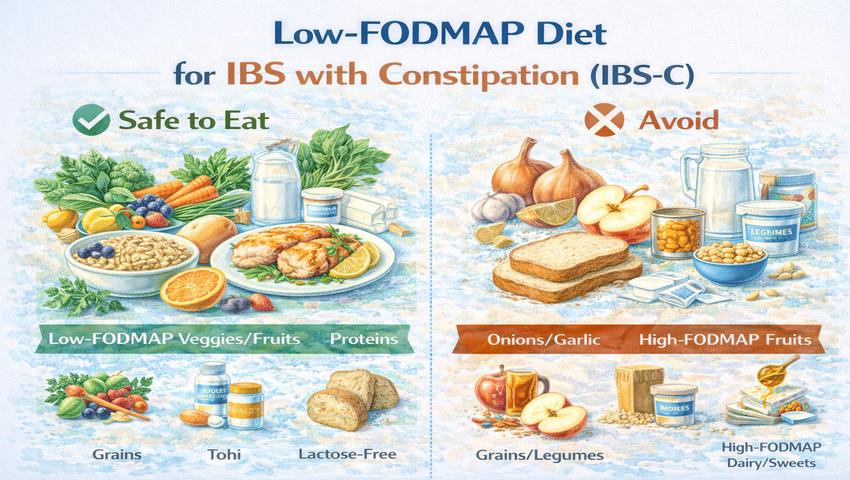
Foods to Avoid in a Low-FODMAP Diet:
Patients with IBS-C are advised to reduce or avoid the following foods:
High-FODMAP Foods:
- Wheat-based chapati, puri, pasta, and bread
- Onions and garlic
- Cauliflower, mushrooms, green peas
- Apples, mangoes, watermelon
- Milk and certain dairy products
- Lentils and rajma
- Sweeteners like sorbitol
These foods can ferment in the intestine and worsen constipation and bloating.
Foods to Enjoy in a Low-FODMAP Diet:
Low-FODMAP Foods:
- Rice, ragi, jowar, and bajra
- Carrots, beans, cucumber, spinach
- Papaya, banana, strawberries
- Lactose-free milk or curd
- Eggs, chicken, and fish
- Homemade ghee and peanuts
These foods are gentle on the stomach and help regulate bowel movements.
Why Patients Should Not Follow the Diet Without Expert Guidance?
Although the Low-FODMAP Diet is effective, it can become restrictive if not followed correctly. At Kaizen Gastro Care, diet planning is done under the supervision of:
- Bhushan Khedkar – Consultant Dietitian & Nutritionist
- Vikrant Kale – Senior Gastroenterologist
- Samrat Jankar – Senior Gastroenterologist & GI Surgeon
They ensure patients get a balanced diet that improves gut function without compromising nutrition.
Low-FODMAP Diet Stages Explained:
- Elimination Phase (2–6 weeks): High-FODMAP foods are removed from the diet. This gives the gut time to heal.
- Reintroduction Phase: Foods are added back one by one to identify triggers.
- Personalisation Phase: A long-term diet plan is prepared that suits the patient’s lifestyle, health needs, and symptoms.
This structured approach is used at Kaizen Gastro Care for better IBS-C management.
Benefits of the Low-FODMAP Diet for IBS-C:
Many patients in Pune treated at Kaizen Gastro Care experience the following improvements:
- Better bowel movements
- Reduced bloating
- Less abdominal cramps
- More energy
- Better digestive comfort
- Improved quality of life
Other Treatments Often Recommended Along With the Diet:
The Low-FODMAP Diet works best when combined with:
- Adequate hydration
- Regular exercise
- Stress management
- Gut-friendly probiotics
- Medications (as prescribed by the doctor)
- Physiological evaluation for motility issues
Kaizen Gastro Care provides all these services under one roof, making it a leading centre for IBS treatment in Pune.
Why Kaizen Gastro Care Is the Best Gastroenterology Clinic in Pune for IBS-C Treatment?
Patients from Pimpri-Chinchwad, Wakad, Baner, Aundh, Pashan, Ravet, Hinjewadi, Nigdi, and nearby areas prefer Kaizen Gastro Care because:
- Expert Gastroenterologists: Dr. Vikrant Kale and Dr. Samrat Jankar Both doctors have years of experience in diagnosing and treating IBS-C.
- Advanced Diagnostic Facilities: Tests like colonoscopy, stool analysis, motility testing, and diet assessment help get accurate diagnosis.
- Diet & Lifestyle Support: Customized diet plans for IBS-C ensure long-term relief.
- Patient-Centred Care: Friendly staff and personalised consultation make patients feel comfortable.
- Comprehensive GI Care in Pune: From diagnosis to treatment and follow-up, everything is done at one place.
When Should You See a Gastroenterologist?
You should consult Dr. Vikrant Kale or Dr. Samrat Jankar at Kaizen Gastro Care if you experience:
- Long-term constipation
- Bloating and discomfort
- Painful bowel movements
- Alternating constipation and diarrhoea
- Unexplained weight loss
- Blood in stools
Early treatment helps prevent complications.
Conclusion:
The Low-FODMAP Diet is one of the most effective dietary approaches for managing IBS with Constipation (IBS-C). With proper guidance, patients can see significant improvements in digestion and overall comfort. For the best IBS treatment in Pune, patients can trust the expertise of Dr. Vikrant Kale and Dr. Samrat Jankar at Kaizen Gastro Care, one of the most trusted and recommended gastroenterology clinics in the region.