
- 07/06/2025
- Dr Vikrant Kale
- 0 Comments
- Proctology
Early Signs of Pilonidal Sinus You Shouldn’t Ignore
The pilonidal sinus is a small hole or tunnel in the skin, generally at the top of the buttocks near the tailbone. While it might seem like a little issue in its early stages, ignoring the initial symptoms can lead to recurrent infections, abscesses, and chronic discomfort. At Kaizen Gastro Care Clinic, Dr. Samrat Jankar, an expert gastrointestinal and laparoscopic surgeon in Pune, stresses the importance of early detection and timely pilonidal sinus and treatment options to prevent severe complications.
In this blog, we will explore the early warning symptoms of pilonidal disease, what you should look out for, and why a prompt consultation with a Pilonidal sinus specialist in Pune – like Dr. Samrat Jankar is crucial.
What is a Pilonidal Sinus?
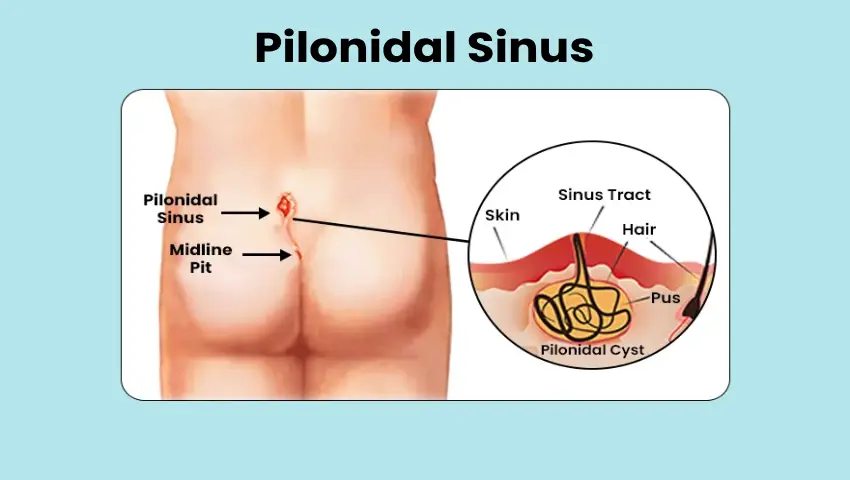
A pilonidal sinus (PNS) is a condition in which a small cyst or abscess forms near the natal cleft, which is the medical term for the deep groove between the buttocks. It may contain hair, debris, and skin. The condition is more common in young adults, mostly men, and is often linked to prolonged sitting, excessive body hair, poor hygiene, or trauma to the area.
When untreated, the sinus tract can become infected, leading to pus formation and pain. In chronic or severe cases, it may require surgical intervention.
Why Early Detection Matters?
Ignoring an early stage pilonidal sinus can lead to painful infections, abscess formation, and the need for complex surgeries. In some cases, the condition can become chronic, requiring repeated interventions. Recognizing a pilonidal cyst early stage presentation and opting for minimally invasive options—such as laser surgery or pit-picking procedures—can result in faster recovery and less downtime.
Early Signs of Pilonidal Sinus You Shouldn't Ignore:
Dr. Samrat Jankar highlights the following warning signs during a pilonidal sinus initial stage that warrant immediate medical attention:
1. Small Swelling or Lump Near the Tailbone
One of the earliest signs is a small, tender lump on buttocks, specifically near the top of the cleft. This swelling may feel like a pimple or boil and is often mistaken for a standard skin infection or ingrown hair. It may appear red and slightly raised.
- Why You Shouldn’t Ignore It: Even if a lump in buttock areas seems painless initially, it could be the beginning of a deeper sinus tract.
2. Pain or Discomfort While Sitting
People with a developing pilonidal sinus early stage often experience discomfort or pain when sitting for long periods, mainly on hard surfaces. The pressure on the tailbone area can aggravate the underlying tract or cyst.
- Why You Shouldn’t Ignore It: Persistent discomfort while sitting can be a key sign of a deepening tract or early inflammation.
3. Redness or Warmth in the Affected Area
If you look at a medical pilonidal disease picture, you will often see significant redness and warmth around the tailbone area, indicating inflammation or the origin of an infection. This is your body’s response to the existence of hair and bacteria in the skin.
- Why You Shouldn’t Ignore It: Early redness can quickly escalate into a full-blown infection with pus discharge and pain.
4. Pus or Bloody Discharge
Another telltale sign is the presence of pus or blood oozing from a little opening or multiple openings in the skin near the cleft of the buttocks. You might also notice staining on your underwear.
- Why You Shouldn’t Ignore It: Discharge suggests an active infection and the formation of an abscess, which requires prompt treatment.
5. Foul Smell from the Discharge
Infected sinuses often produce a foul-smelling discharge due to bacterial buildup within the cyst or tract.
- Why You Shouldn’t Ignore It: A strong odor is a clear sign of bacterial infection. Delaying treatment increases the risk of spreading the disease.
6. Itching or Skin Irritation
In the pilonidal sinus initial stage, many people feel an itchy tailbone or irritation around the area. This could be due to trapped hair or early symptoms of localized inflammation.
- Why You Shouldn’t Ignore It: An itchy tailbone may seem harmless, but it’s often the first sign that something is wrong beneath the skin.
7. Recurrent Boils or Abscesses in the Same Area
If you have a recurring swollen lump on buttock areas near the tailbone, it’s time to consider that you may have a chronic sinus issue. These abscesses might drain on their own and recur after a few weeks or months.
- Why You Shouldn’t Ignore It: Recurring infections suggest an underlying tract that must be professionally addressed to prevent chronic damage.
- Note: A pilonidal cyst forms at the tailbone, whereas a cyst near anus locations might indicate a different condition altogether, such as an anal fistula. A proper diagnosis by a specialist is essential to differentiate between the two.
When to See a Pilonidal sinus specialist?
You should consider consulting a colorectal or gastrointestinal specialist in Pune if you notice any combination of the symptoms above, especially if:
- There is pain or tenderness in the tailbone region.
- You see any discharge or pus.
- The area feels swollen, red, or warm.
- You have a recurring swollen lump on buttock areas.
At Kaizen Gastro Care Clinic, Dr. Samrat Jankar offers a comprehensive evaluation for pilonidal disease, using the latest techniques to ensure faster recovery and lower recurrence rates.
How to Treat a Swollen Lump on the Buttock: Treatment Options
When patients look up swollen lump on buttock how to treat, the approach largely depends on the severity of the condition.
Conservative Measures (Pilonidal Sinus Treatment Without Operation)
For a mild or early stage pilonidal sinus, it is sometimes possible to manage the condition with non-surgical methods. Pilonidal sinus treatment without operation can include:
- Strict hair removal in the affected area (like laser hair reduction).
- Maintaining impeccable hygiene and keeping the natal cleft dry.
- Course of antibiotics if a mild infection is present.
Surgical Intervention
However, chronic, deep, or recurrent cases will require procedural intervention:
- Incision and Drainage: Used for acute, painful abscesses.
- Excision of the Sinus Tract: Removing the entire tract to prevent recurrence.
- Laser Treatment: A minimally invasive surgery that allows for faster healing, less pain, and minimal downtime.
Dr. Samrat Jankar tailors the pilonidal sinus and treatment approach to each patient’s specific condition, ensuring optimal outcomes.
Preventive Tips to Lower the Risk of Pilonidal Sinus:
While not all cases are preventable, individual habits can lower your risk of developing a pilonidal cyst early stage:
- Maintain proper hygiene and keep the area between the buttocks clean and dry.
- Avoid prolonged sitting, especially on hard surfaces.
- Regularly remove hair around the tailbone area if you are prone to heavy hair growth.
- Keep a healthy weight to reduce pressure on the lower back and cleft area.
Conclusion:
Ignoring a lump on buttocks or the early symptoms of a pilonidal sinus can turn a minor, manageable issue into a chronic, painful condition that requires extensive surgery. Being proactive about your health and seeking expert care at the first sign of discomfort can help control long-term complications.
If you suspect you may have a pilonidal sinus or are experiencing an itchy tailbone and swelling, don’t wait. Consult Dr. Samrat Jankar at Kaizen Gastro Care Clinic, Pune’s trusted destination for gastrointestinal and colorectal care.
Take control of your health early—because timely intervention makes all the difference.