

- 02/11/2026
- Dr Vikrant Kale
- 0 Comments
- Blogs
Complicated Diverticulitis: When Is Surgery Required?
Surgery for complicated diverticulitis may be required when the condition causes a bowel perforation, severe infection, intestinal obstruction or a fistula. However, not every patient needs surgery. The treatment depends on the severity of the condition and the patient’s overall health.
In this blog, Dr. Samrat Jankar explains the warning signs of complicated diverticulitis, available treatment options, when surgery may be necessary and what patients can expect during recovery. Early diagnosis and timely treatment can help reduce the risk of serious complications.
What Is Diverticulitis?
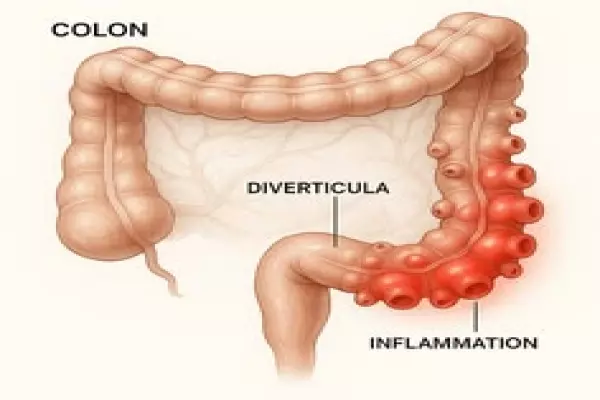
Diverticula are small pouches that form on the wall of the large intestine. Having these pouches is called diverticulosis. It is very common, especially after 50 years of age, and usually gives no symptoms.
Diverticulitis happens when one or more of these pouches get swollen or infected. You may feel pain in the lower left side of the stomach, along with fever, loose motions or constipation. A mild attack often settles with diverticulitis antibiotic treatment, a light diet and rest.
What Is Complicated Diverticulitis?
In complicated diverticulitis, the infection does not stay in the pouch. It spreads and causes bigger problems. These can be an abscess (pus pocket), a hole in the colon, a blockage, or an abnormal connection with another organ.
Around 1 in 4 people with acute diverticulitis may face some complication. These patients need close care from experienced doctors. This is why proper diverticular disease treatment matters so much.
What Are the Warning Signs and Symptoms of Complicated Diverticulitis?
Complicated diverticulitis symptoms are stronger than a normal attack. Please watch out for these:
- Severe stomach pain that keeps increasing
- High fever with chills
- Repeated vomiting
- Hard, swollen or very tender belly
- Not able to pass stool or gas
- Blood in stool
- Burning in urine, or air bubbles while passing urine
- Fast heartbeat, extreme weakness or confusion
If you notice any of these, do not wait at home. Go to a doctor or hospital the same day.
What Causes Diverticulitis to Become Complicated?
Some things make complications more likely:
- Low-fibre food and long-standing constipation
- Obesity and no regular exercise
- Smoking and too much alcohol
- Regular use of painkillers like NSAIDs, or steroids
- Age above 50 years
- Delay in treating the first attack
- Many repeated attacks, which weaken the colon wall
Types of Complications of Diverticulitis:
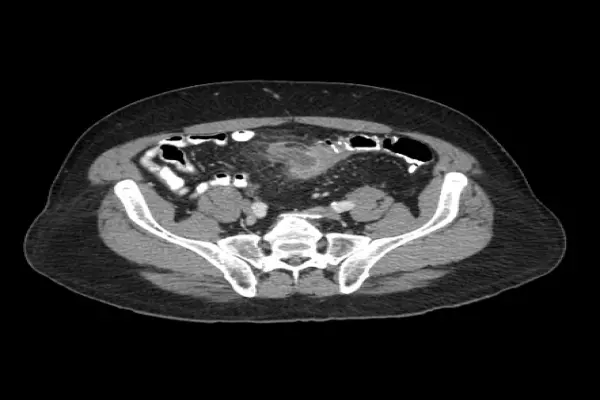
1. Diverticulitis With Abscess Formation:
An abscess is a pocket of pus near the infected part of the colon. A small one can heal with antibiotics. A bigger one needs diverticular abscess drainage, where a thin tube is placed through the skin under CT guidance. This is the main diverticulitis with abscess treatment.
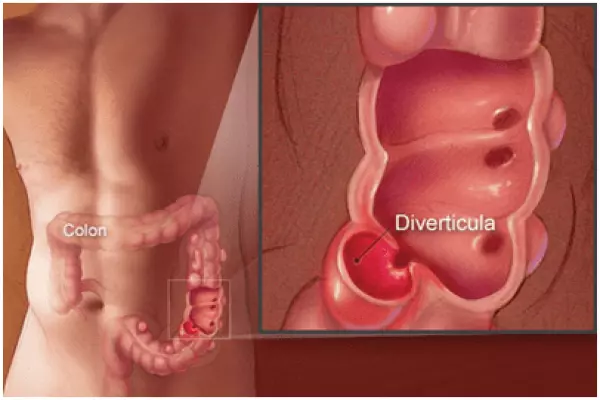
2. Perforated Diverticulitis and Bowel Leakage:
Here, the infected pouch bursts. Stool and pus leak into the stomach cavity. This can cause peritonitis, a very dangerous infection. Perforated diverticulitis treatment usually means emergency surgery for diverticulitis. Colon perforation due to diverticulitis is always a medical emergency.
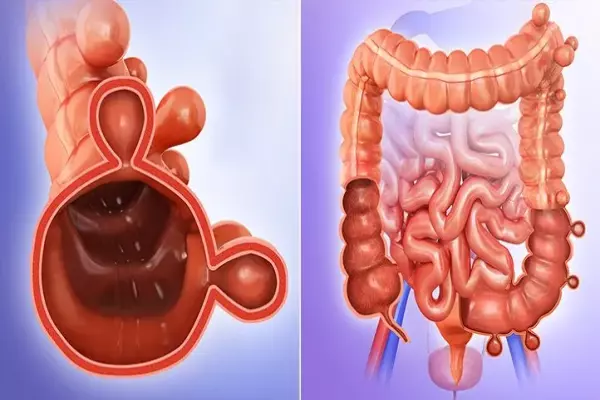
3. Intestinal Obstruction Due to Diverticulitis:
Again and again inflammation can leave scars and make the colon narrow. Stool then cannot pass easily. You may have bloating, cramps and vomiting. Diverticulitis intestinal obstruction often needs removal of the affected part of the bowel.
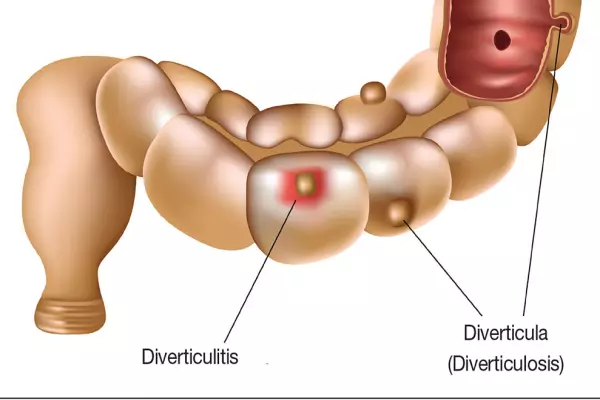
4. Fistula Formation in Complicated Diverticulitis:
A fistula is an abnormal tunnel between the colon and another organ, like the bladder or vagina. It can cause repeated urine infections or air passing with urine. Diverticulitis fistula treatment is mostly surgical.
5. Recurrent Diverticulitis and Chronic Inflammation:
Some people get attacks again and again. Each attack can leave behind more scarring. Recurrent diverticulitis surgery may be advised in some patients, depending on how severe the attacks are, the person’s age and overall health.
How Is Complicated Diverticulitis Diagnosed?
The doctor first examines your stomach and asks about your symptoms. Blood tests are done to check for infection and inflammation.
A CT scan for diverticulitis is the most useful test. It clearly shows abscess, perforation, narrowing and fistula. A colonoscopy is usually done 6 to 8 weeks after recovery. It helps rule out other problems, including colon cancer.
Can Complicated Diverticulitis Be Treated Without Surgery?
Yes, sometimes. Many people ask, can diverticulitis heal without surgery? In uncomplicated and mildly complicated cases, the answer is often yes.
Common non-surgical diverticulitis treatment options are:
- Admission in hospital with IV antibiotics
- Bowel rest and clear liquids
- CT-guided drainage of a medium or large abscess
- Pain relief and regular monitoring
If the patient is stable and improving, surgery is not the first choice.
When Is Surgery Required for Complicated Diverticulitis?
These are the main diverticulitis surgery indications:
- Perforation with peritonitis
- Abscess that cannot be drained or does not improve
- Bowel blockage that does not clear
- Fistula
- No improvement even after antibiotics
- Frequent attacks that disturb daily life
- Weak immunity, where complications can worsen fast
- Doubt of cancer
Today, doctors decide on planned surgery for each patient separately. It is not automatic after a fixed number of attacks.
What Are the Surgical Treatment Options for Diverticulitis?
The most common operation is diverticulitis bowel resection. The surgeon removes the diseased part of the colon and joins the healthy ends. Whenever possible, laparoscopic surgery for diverticulitis is preferred. It needs only small cuts, gives less pain and helps you recover faster.
In emergencies, a temporary stoma may be needed. Many patients worry about colostomy for diverticulitis. In a colostomy, one end of the colon is brought out to the skin to collect stool in a bag. In some cases, an ileostomy after diverticulitis surgery is made from the small intestine. In most patients, both are temporary and can be closed after a few months.
Is Surgery Always Necessary for Complicated Diverticulitis?
No. Many patients recover well with antibiotics and drainage. Surgery is advised only when it is safer than waiting. A good GI surgeon for diverticulitis will explain all options clearly before taking any decision.
What Are the Risks of Delaying Diverticulitis Surgery?
If surgery is truly needed, delay can be risky. It can lead to:
- Spread of infection and sepsis
- Bigger abscess and permanent scarring
- Complete bowel blockage
- Emergency surgery, with a higher chance of stoma
- Longer hospital stay and slow recovery
Like any surgery, diverticulitis surgery risks include infection, bleeding and leakage from the joined bowel. These risks are lower when the surgery is planned and done by an experienced team.
What Is the Recovery Time After Diverticulitis Surgery?
Diverticulitis surgery recovery time depends on the type of surgery and your overall health. Most patients recover faster after laparoscopic surgery.
- Laparoscopic surgery: You may stay in hospital for 3 to 5 days. Most people can go back to light work in 2 to 4 weeks.
- Open surgery: The hospital stay is usually 5 to 8 days or more. Full recovery may take 6 to 8 weeks.
Please avoid lifting heavy weight for 4 to 6 weeks. Walk a little every day, as it helps your bowel start working normally again. Your doctor at Kaizen Gastro Care, Wakad, Pune, will guide you on when to return to your routine.
Can Diverticulitis Return After Surgery?
It can, but the chance is low. Removing the diseased part of the colon reduces the risk a lot. A healthy diet, regular exercise and normal body weight help keep it away.
Diet and Lifestyle Tips After Diverticulitis Treatment:
Diet after diverticulitis surgery should be light in the beginning. Start with liquids, then move to soft food. Add fibre slowly.
- Eat fruits, vegetables, oats, dal and whole grains
- Drink 2 to 3 litres of water daily
- Walk or exercise regularly
- Quit smoking and limit alcohol
- Avoid regular painkillers like NSAIDs unless your doctor advises
- Do not miss follow-up visits
At Kaizen Gastro Care, Dt. Bhushan Khedkar, our Gut Diet & Nutrition Specialist, helps patients with simple and gut-friendly diet plans.
When Should You Consult a Gastroenterologist or GI Surgeon?
See a gastroenterologist if you have repeated lower left stomach pain, fever, or blood in stool. Consult a GI surgeon if you may have an abscess, fistula, blockage, or frequent attacks. Go to the emergency room if the pain is severe or you cannot pass stool or gas.
Many people take stomach pain lightly and try home remedies for days. With diverticulitis, this can be risky. Early care can stop a simple infection from turning serious.
Consult a Gastroenterologist If You Have:
- Lower left stomach pain that keeps coming back
- Fever with stomach pain
- Constipation or loose motions that do not settle
- Bloating or a change in bowel habits
- Blood in stool
- A past history of diverticulitis, and the pain has returned
Consult a GI Surgeon If:
- Your doctor suspects an abscess, fistula or bowel blockage
- Medicines and antibiotics are not helping
- You have frequent attacks that disturb your daily life
- Your scan shows a complication of diverticulitis
Go to the Emergency Room Immediately If:
- The pain is severe and getting worse
- Your belly feels hard or very tender
- You keep vomiting
- You cannot pass stool or gas
- You have high fever with chills, a fast heartbeat or confusion
These can be signs of perforation or bowel blockage. Such cases cannot wait.
Frequently Asked Questions About Complicated Diverticulitis:
Surgery is required for complicated diverticulitis when there is a perforation, peritonitis, a bowel blockage, a fistula, or an abscess that does not improve with drainage. It may also be advised if severe attacks keep coming back and affect your daily life. Your doctor decides after a physical exam and a CT scan.
Yes, in some cases. If the patient is stable, treatment may include IV antibiotics, bowel rest and CT-guided abscess drainage. Many people recover well this way. But if there is no improvement in a few days, surgery may be needed.
Yes, perforated diverticulitis is always a medical emergency. When the colon bursts, stool and pus leak into the stomach cavity. This can cause peritonitis and sepsis. Immediate hospital care and often emergency surgery are needed.
An abscess is a pocket of pus near the infected colon. A small abscess may heal with antibiotics. A larger one is drained with a thin tube placed under CT guidance. If drainage does not work, surgery is needed.
Diverticulitis surgery recovery time depends on the type of surgery. After laparoscopic surgery, most people recover in about 2 to 4 weeks. After open surgery, full recovery may take 6 to 8 weeks.
Often yes. Laparoscopic (keyhole) surgery is preferred when the patient is stable and the case is suitable. It means smaller cuts, less pain and faster recovery. Emergency or very complex cases may need open surgery.
Not always. A colostomy or ileostomy is more likely in emergency surgery with severe infection. In most patients, the stoma is temporary and can be closed after a few months.
It is uncommon, but not impossible. Removing the diseased part of the colon lowers the risk greatly. A high-fibre diet, enough water, regular exercise and a healthy weight help prevent it.
Conclusion:
Complicated diverticulitis is serious, but it is treatable. Early diagnosis makes a big difference. Many patients get better without an operation, while some need timely surgery to stay safe.
If you or someone in your family has these symptoms, please do not ignore them. Get expert care for diverticular disease treatment at Kaizen Gastro Care.
Book your consultation today: