
- 14/05/2026
- Dr Vikrant Kale
- 0 Comments
- Gut Health
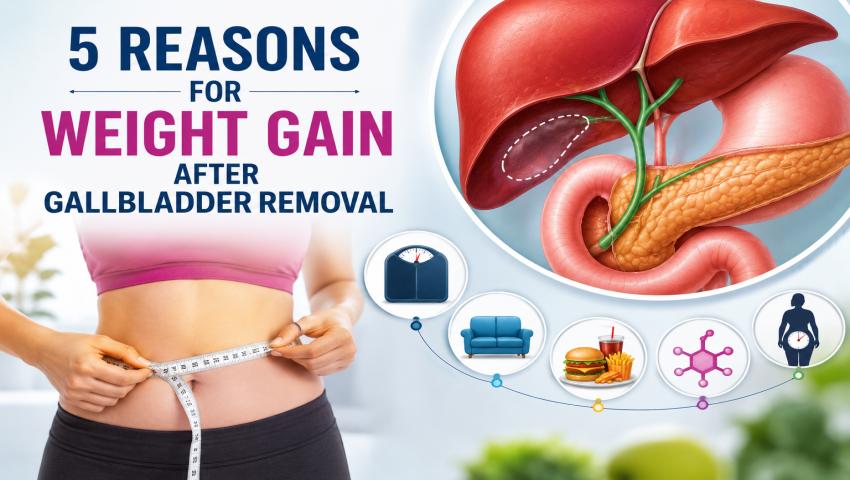
5 Reasons for Weight Gain after Gallbladder Removal
Undergoing gallbladder removal (cholecystectomy) is often a life-changing relief for those suffering from chronic pain. However, as the body adjusts to the after effects of gall bladder removal, many patients in India notice an unexpected change: the numbers on the scale start creeping up. If you are experiencing weight gain after gallbladder removal, you are not alone. While the surgery itself doesn’t “cause” fat, the metabolic and lifestyle shifts following the procedure can trigger weight changes. At Kaizen Gastro Care, the Best Gastroenterologist in Pune, our experts Dr. Vikrant Kale and Dr. Samrat Jankar help patients navigate these post-surgical hurdles daily.
Can You Gain Weight after Gallbladder Removal?
➜ How the gallbladder affects digestion and fat metabolism?
The gallbladder’s primary job is to store and concentrate bile—a fluid produced by the liver to break down fats. When you eat a fatty meal, the gallbladder squeezes bile into the small intestine. After gallbladder removal, there is no “storage tank.” Bile now drips continuously and in a diluted form into the digestive tract.
➜ Why is weight gain common after cholecystectomy?
Research suggests that nearly 20% of patients may experience long-term gallbladder weight gain. Without the concentrated “burst” of bile, the body’s ability to process large amounts of fat efficiently is compromised, often leading to metabolic adaptations that favor fat storage rather than energy expenditure.
Reason 1: Changes in Fat Digestion Lead to Calorie Overload
➜ How bile flow changes without a gallbladder?
Without the “reservoir,” your liver becomes the sole provider of bile. Because the bile is no longer concentrated, it may not emulsify fats as effectively as before.
➜ Why you may absorb more fat and calories than before?
It sounds counterintuitive, but poorly digested fats can trigger inflammation and alter how your body signals “fullness.” Some patients find that to compensate for the lack of energy from fats, they instinctively eat more, leading to a surplus of calories.
➜ What to eat to manage fat digestion after surgery?
- Small, Frequent Meals: Don’t overwhelm your liver’s bile production.
- Healthy Fats: Focus on MCTs (like those in coconut oil) or Omega-3s, which are easier to process.
Reason 2: Reduced Physical Activity During Recovery
➜ How post-surgery rest affects metabolism and muscle loss?
Rest is essential after Gallstone Removal Surgery, but prolonged inactivity leads to a temporary drop in your metabolic rate. If your calorie intake remains the same as your pre-surgery levels while you are sedentary, weight gain is inevitable.
➜ When is it safe to exercise after gallbladder removal?
Typically, light walking is encouraged within 24 hours. However, heavy lifting and core exercises should be avoided for 4–6 weeks to prevent hernias.
➜ Gentle exercises to start during recovery:
- Slow walking: 10–15 minutes twice a day.
- Deep breathing: Helps maintain core stability and lung health.
- Stretching: Gentle upper body movements.
Reason 3: Post-Surgery Diet Changes That Backfire
➜ Why people eat more carbs and less fat — and the consequences?
Many patients are told to follow a “low-fat diet.” In India, this often results in a shift toward a high-carb diet (more rice, rotis, and sweets). Excessive refined carbohydrates cause insulin spikes, which are a primary driver of weight gain after gallbladder removal.
➜ Foods to avoid after gallbladder removal:
- Deep-fried snacks (Samosas, Vadas).
- High-sugar “low-fat” packaged foods.
- Heavy dairy products like buffalo milk, malai, or ghee in large quantities.
➜ Best diet plan after cholecystectomy for weight control:
A balanced plate should include lean protein (dal, sprouts, egg whites, steamed fish), high fiber (oats, leafy greens), and controlled fats.
Reason 4: Hormonal and Metabolic Disruptions after Surgery
➜ How gut hormones change after gallbladder removal?
The gallbladder isn’t just a pouch; it communicates with gut hormones like CCK (cholecystokinin). The removal can disrupt the signaling that tells your brain you are full, leading to overeating.
➜ Impact on insulin sensitivity and blood sugar:
Recent studies indicate that bile acids play a role in glucose metabolism. Changes in bile flow can sometimes decrease insulin sensitivity, making it easier for the body to store fat around the abdomen.
➜ Role of gut microbiome changes in weight gain:
The continuous drip of bile into the intestines can alter your gut bacteria. An “imbalanced” microbiome is strongly linked to slower metabolism and weight gain.
Reason 5: Bloating and Water Retention Mistaken for Weight Gain
➜ Why is bloating so common after cholecystectomy?
Post-cholecystectomy syndrome often includes gas and “bloating.” This isn’t fat; it’s air and water trapped in the digestive tract because the body is struggling to process certain foods.
➜ How to tell the difference between bloating and true weight gain?
If your weight fluctuates by 1–2 kg within a single day, it is likely bloating or water retention. True weight gain is gradual and stays consistent over weeks.
➜ Tips to reduce bloating and water retention naturally
- Sip on ginger or fennel (saunf) tea.
- Limit sodium (salt) intake.
- Stay hydrated to help flush out excess water.
How to Prevent Weight Gain after Gallbladder Removal?
1. Best diet tips to maintain weight post-surgery:
At the best gastroenterology clinics in Wakad, Pune, Kaizen Gastro Care, we recommend the “Slow and Steady” approach. Gradually reintroduce fiber to prevent gas, and keep your fat intake to about 3 grams per serving in the initial weeks.
2. Supplements that support digestion without a gallbladder:
- Digestive Enzymes: Can help break down fats.
- Ox Bile Supplements: May be recommended by your doctor to mimic the gallbladder’s function.
- Probiotics: To restore healthy gut flora.
3. Lifestyle habits that help long-term weight management:
Consistency is key. Walk daily, sleep 7-8 hours to regulate hormones, and monitor your portion sizes.
4. When to see a doctor about unexplained weight gain:
If you are gaining weight rapidly despite a strict diet, or if you experience jaundice or severe pain, consult Dr. Vikrant Kale or Dr. Samrat Jankar immediately.
Conclusion: Managing Your Weight after Gallbladder Removal
In summary, weight gain after gallbladder removal is often caused by:
- Metabolic changes in fat processing.
- Post-operative inactivity.
- Shifting to a high-carb diet.
- Hormonal shifts.
- Persistent bloating.
The good news? These are all manageable. If you are planning for Gallstone Removal Surgery in Pune, choosing the right surgical team is the first step toward a healthy recovery. Kaizen Gastro Care is the premier destination for Gallstone Removal Surgery. Led by Dr. Vikrant Kale (renowned Gastroenterologist) and Dr. Samrat Jankar (Expert Gastro Surgeon), our team provides comprehensive post-operative counseling to ensure your weight and health stay on track.
Need expert advice on your digestive health?
Frequently Asked Questions About Gallbladder Removal:
It varies, but many patients report a 2–5 kg increase within the first year if dietary habits aren’t adjusted.
It is likely a combination of reduced physical activity during recovery and a “liberalized” diet—eating foods you previously avoided due to pain.
No. With proper guidance and a structured gallbladder removal diet, many patients successfully maintain or even lose weight.
Weight gain continues until the metabolic “new normal” is reached and lifestyle adjustments are made.
Yes! By focusing on high-fiber, lean protein, and portion-controlled healthy fats, weight loss is entirely possible.
Not necessarily “low-fat” for life, but “controlled-fat.” Your body can still handle fat, just in smaller quantities at a time.